
Engine Oil Flow Chart: Understanding Simplicity
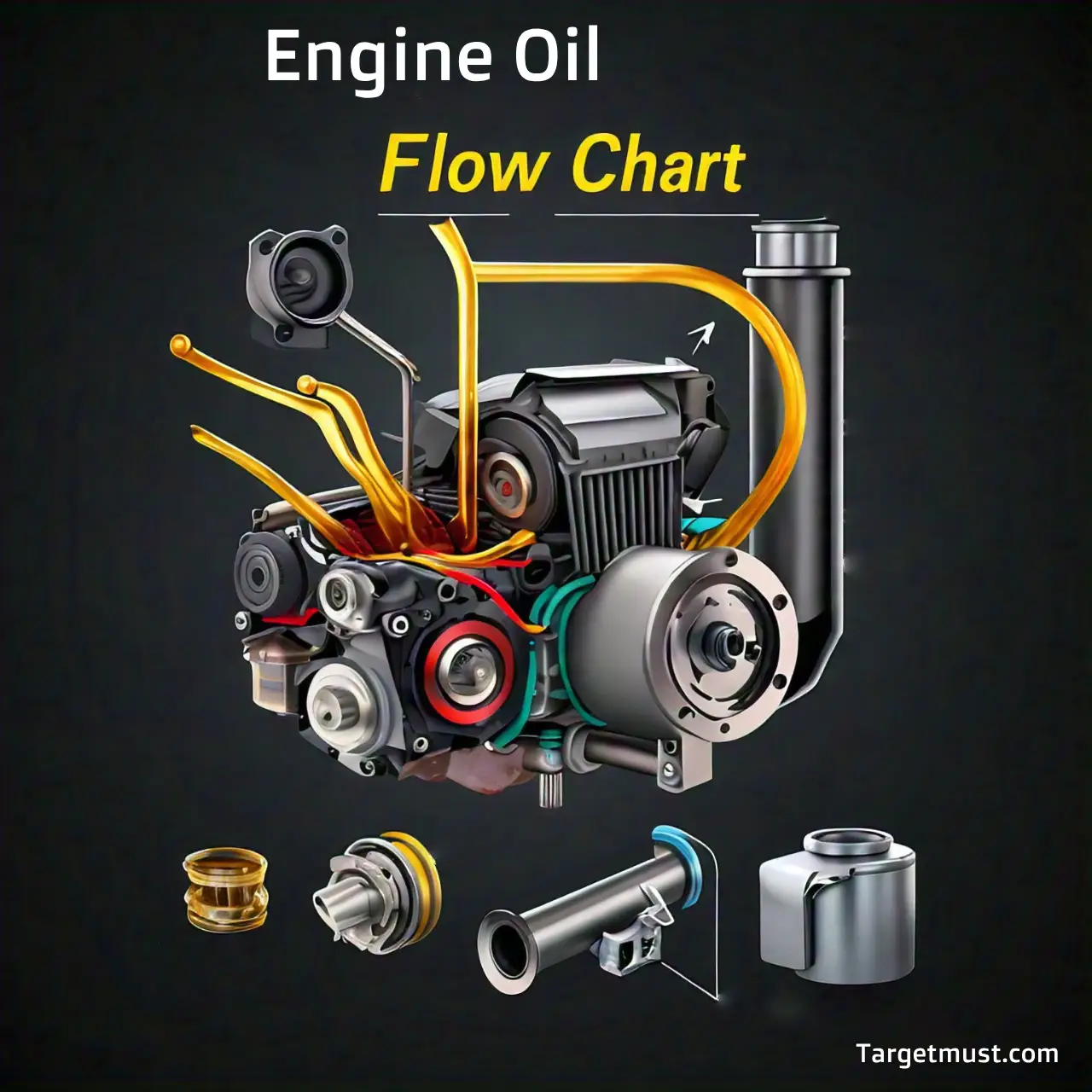
Engine Oil Flow Chart: Understanding Lubrication An engine is a sophisticated machine. Knowing how its lubricating system works is vital to keeping it working well. This post will go into the Engine oil flow chart. It will illustrate how the lubrication system works and why engine oil is so crucial. By the end, you’ll understand how lubricants keep your vehicle’s engine in good form. Key Takeaways Engine oil performs three critical functions: reducing friction, cooling, and cleaning. Lubricant viscosity must remain consistent for proper engine function, managed through viscosity index improvers. Lubricants contain additives that control acids and corrosion to prevent engine damage. Engine lubricants contain antioxidants to minimize oxidation caused by high temperatures. Additives in lubricants help maintain engine performance and protect soft metals like bearings. Introduction to Engine Lubrication The engine lubricating system is crucial to a vehicle’s powerplant. Engine Oil Flow Chart It enables smooth and efficient engine functioning. Engine oil and other lubricants are necessary. They minimize Friction, cool the engine, and clean interior parts. Importance of Lubricants in Engines Internal engine friction can wear down some components. This reduces the life of the engine. Engine Oil Flow Chart Lubricants reduce the amount of metal to metal contact by creating a barrier. This makes it possible for the pieces to move smoothly, extending engine life and efficiency. Functions of Lubricants: Reducing Friction, Cooling, and Cleaning Oils help keep the engine cool. Component damage might result from high combustion temperatures. They aid in maintaining the proper engine temperature. In addition to removing impurities, lubricants maintain the Engine’s cleanliness and health. The engine lubrication system is important when we understand how lubricants function. Engine Oil Flow Chart It is essential to the long-term Durability and performance of an engine. How Oil Flows Through an Engine The Movement of lubricants through an engine is depicted in the engine oil flow chart. Oil is collected by the oil pump in the oil pan and directed towards the main bearings on the crankshaft. The oil then lubricates the rod bearings by Passing through oil holes. Oil Pump and Oil Pan The oil pump is essential to the lubrication of the engine. It draws oil and forces it through the engine from the oil pan. This guarantees that all moving parts receive the Necessary lubrication. Lubrication of Crankshaft and Bearings Oil enters oil holes after passing through the main bearings and onto the crankshaft. Engine Oil Flow Chart This enables it to get to the rod bearings, where lubrication is essential. After that, the oil flows out from the connecting rod bearings, lubricating and cooling the rings, pistons, and pins. Cylinder Head and Valves Lubrication An oil line carries the oil to the cylinder head after that. There, it lubricates the valves and camshaft bearings. By ensuring that all crucial Engine components are properly lubricated, this system lowers wear and boosts efficiency. Component Oil Flow Dynamics Oil Pump Picks up oil from the oil pan and sends it up to the main bearings of the crankshaft Crankshaft Lubrication Oil travels through the main bearings and into the oil holes drilled in the crankshaft, reaching the rod bearings Cylinder Head Lubrication Oil flows through an oil line to the cylinder head, lubricating the camshaft bearings and valves Every engine component is kept properly lubricated by this intricate oil flow system. This improves overall Performance and lessens wear and tear. Engine Oil Flow Chart An essential tool for comprehending the flow of oil through an engine is the engine oil flow chart. It displays the oil pan, oil pump, and other crucial components. This explains to auto enthusiasts and mechanics how oil lubricates every component. Fixing issues with the oil system requires an understanding of the engine oil flow chart. It aids in locating problems such as low pressure or oil leakage. This information guarantees longer engine life and optimal performance. Statistic Value Approximate amount of old oil remaining after a normal oil change 2 liters Oil drained when the secondary (higher, rear-most) sump is removed Substantial amount, especially with the front of the car raised about 3 feet Number of new ‘O’ rings required per solenoid when removed 3, totaling 6 rings in total Solenoid working positions Closed (no oil flow), fully open (feeding direct to scavenge pump in high G situations), and potentially a third position for oil drainage to the upper sump Method to remove oil from the system Activating the solenoid to an emptying position, potentially by turning the ignition key Average rate of oil consumption 1 quart per 5,000 miles Oil consumption detection stage in newer cars May not consume oil for the first few oil changes Ideal oil consumption figure One quart every 5,000 miles Suggested rate for adding oil at regular intervals One quart every 3,000 miles Common oil consumption for high mileage cars One quart every 4,000 miles Mileage range for a car experiencing an oil consumption pattern change Over 30,000 miles Better fixing oil problems requires an understanding of the engine lubrication system diagram and engine oil flow chart. Maintaining a functional engine and extending the life of your car depend on this information. Factors Affecting Oil Viscosity Health and performance of your engine depend on engine oil. Engine Oil Flow Chart Shear rate, temperature, pressure all affect its viscosity. Understanding these elements guides your choice of oil for your engine. Temperature and Viscosity Relationship Oil viscosity is rather much influenced by temperature. Cold causes oil to thicken and flow more difficultly. Thinning and increased fluidity follow from hot temperatures. For example, at 40°C, gear oil viscosity is obvious. But at 0°C, it’s much thicker, and at 90°C, it’s thinner again. Impact of Pressure on Viscosity Pressure also alters oil viscosity. High pressure, like in metal-forming, makes oil much thicker. Engine Oil Flow Chart This is crucial for safeguarding your engine from wear. Shear Rate and Viscosity Changes Shear rate, or how fast oil is distorted, impacts viscosity, especially in non-Newtonian fluids like … Read more