
Demystifying the 5S Concept in Industry A Comprehensive Explanation
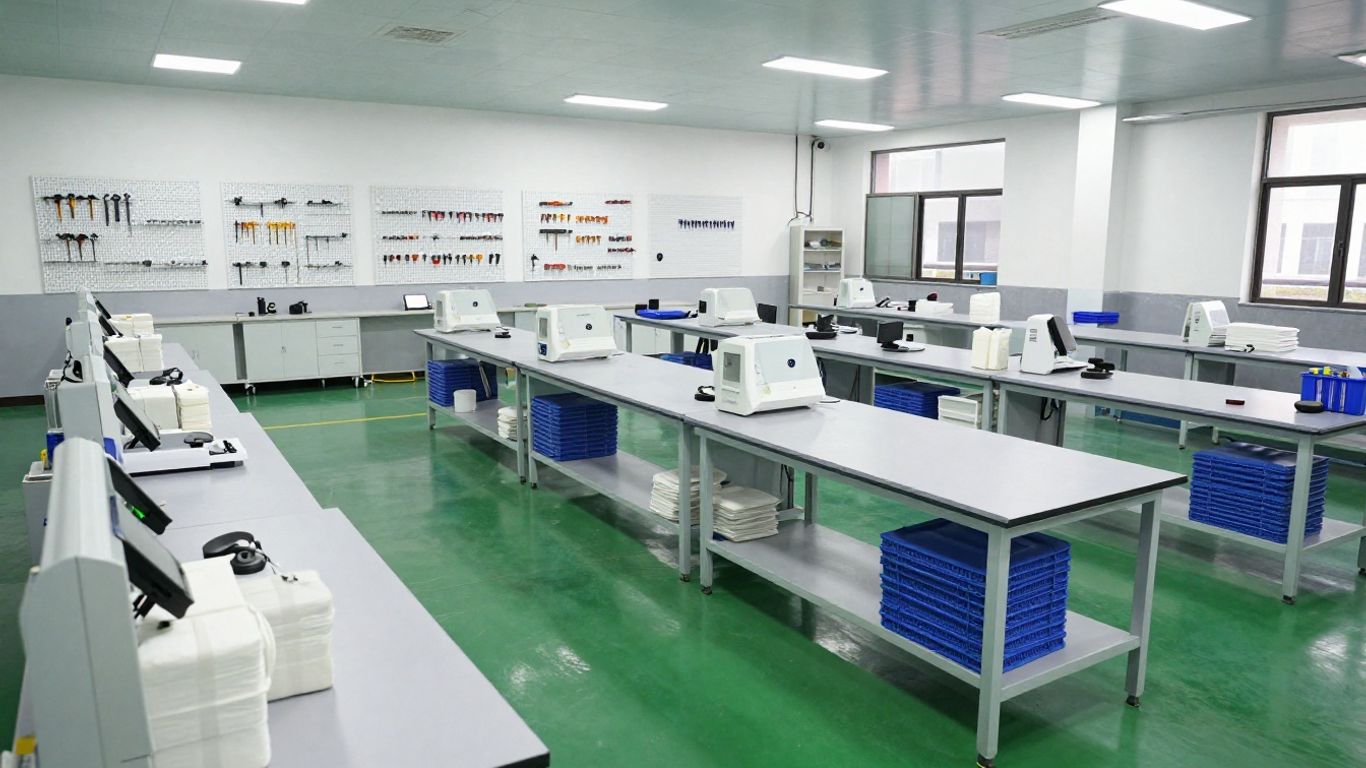
5S Concept in Industry

Ever wondered what makes some factories run so smoothly  It often comes down to a simple, yet powerful, system called 5S. It’s not some complex tech jargon; it’s really about making your workspace better organized and easier to work in. Think of it as tidying up your desk, but on a much bigger scale and with a specific goal: to boost how well things get done. This approach, which started in Japan, has five key steps that help businesses cut down on wasted time and effort, making everything from assembly lines to office tasks run more efficiently. Let’s break down what is 5S concept in industry and why it matters. Key Takeaways 5S Concept in Industry The 5S concept is a workplace organization method with five steps: Sort, Set in Order, Shine, Standardize, and Sustain. It originated in Japan and is a core part of Lean manufacturing, aiming to improve efficiency and reduce waste. Implementing 5S leads to a more organized, cleaner, and safer work environment. By making tools and materials easily accessible, 5S reduces time spent searching and increases productivity. The system helps establish consistent work practices and fosters a culture of continuous improvement. 1. Seiri Alright, let’s kick things off with the first ‘S’ in our 5S journey: Seiri, or Sort. Think of this as the big decluttering phase for your workspace. The main idea here is to get rid of anything that isn’t absolutely necessary for the job at hand. We’re talking about making space, both physically and mentally, for what truly matters. Why bother with this? Well, having too much stuff lying around is a productivity killer. It makes it harder to find things, increases the risk of accidents, and just generally makes the place feel chaotic. Seiri helps us cut through that noise. Here’s a breakdown of how you might approach the sorting process: Identify everything in your work area. Don’t skip anything, from the biggest machine down to the smallest screw. Categorize items as necessary, unnecessary, or questionable. For those questionable items, maybe set up a ‘red tag’ area where they can be stored temporarily while you decide their fate. Remove the unnecessary items. This could mean throwing them away, recycling them, selling them, or relocating them to a more appropriate storage spot. It might seem simple, but this step is foundational. Without a clear understanding of what you actually need, the other steps in the 5S system become much harder to implement effectively. It’s about creating a clean slate, so to speak. You can find more on the initial steps of the 5S methodology if you want to get a head start. The goal of Seiri isn’t just to tidy up; it’s to fundamentally change how we interact with our work environment by being deliberate about what stays and what goes. This conscious decision-making process is key to long-term efficiency. 2. Seiton Alright, so after you’ve gone through and gotten rid of all the junk with Seiri (Sort), the next logical step is Seiton, or ‘Set in Order’. This is where things start to get really organized. The main idea here is pretty simple: a place for everything, and everything in its place. Think about it – how much time do you waste looking for that one specific tool or that report you know you put down somewhere? Seiton aims to kill that wasted time. It’s not just about shoving things onto shelves, though. It’s about arranging items so they’re easy to find, easy to use, and easy to put back. This often involves using visual cues. We’re talking labels, outlines on tool boards, floor markings, and color-coding. The goal is to make it super obvious where things belong. If someone new walks into the area, they should be able to figure out where stuff goes without asking. Here’s a quick breakdown of how to approach Seiton: Location, Location, Location: Decide where items should be stored based on how often they’re used. Frequently used items go close by, less used items can be further away. Clear Labeling: Every item and every storage spot needs a clear label. No guessing allowed. Visual Aids: Use outlines, shadow boards, or floor tape to show exactly where tools and equipment should be placed. This makes it easy to see if something is missing or out of place. Ergonomics Matter: Arrange things so they are easy to reach and handle, reducing strain and potential injuries. This step is all about making your workspace work for you. It’s about creating a system that supports efficiency and reduces the mental load of constantly searching. Getting this right makes the subsequent steps, like Shine and Standardize, much easier to manage. It’s a core part of creating a more effective lean management practice. 3. Seiso Alright, so after we’ve sorted out what we need and put everything in its proper place, the next logical step is to get things clean. This is where Seiso, or ‘Shine,’ comes in. It’s not just about making the place look nice, though that’s a good bonus. The real point here is to clean thoroughly and, while you’re at it, to spot any problems. Think about it: when a machine is covered in grease and grime, you might not notice a small leak or a worn-out part. But once it’s clean, those issues become obvious. This step is about making your workspace shine, not just for aesthetics, but for functionality and safety. It’s about finding those little problems before they turn into big, expensive ones. This is a core part of the 5S workplace organization method. Here’s what Seiso really involves: Thorough Cleaning: This means going beyond a quick sweep. Get into corners, under equipment, and clean all surfaces. Every tool, machine, and area should be spotless. Inspection During Cleaning: As you clean, actively look for anything out of the ordinary. This could be cracks, loose parts, unusual wear, or any signs of damage. Identifying Root Causes: If you find a problem, don’t just fix it. Try to figure out why it happened. Was it poor design? Lack of maintenance? Incorrect usage? Addressing the cause prevents it from happening again. Making … Read more
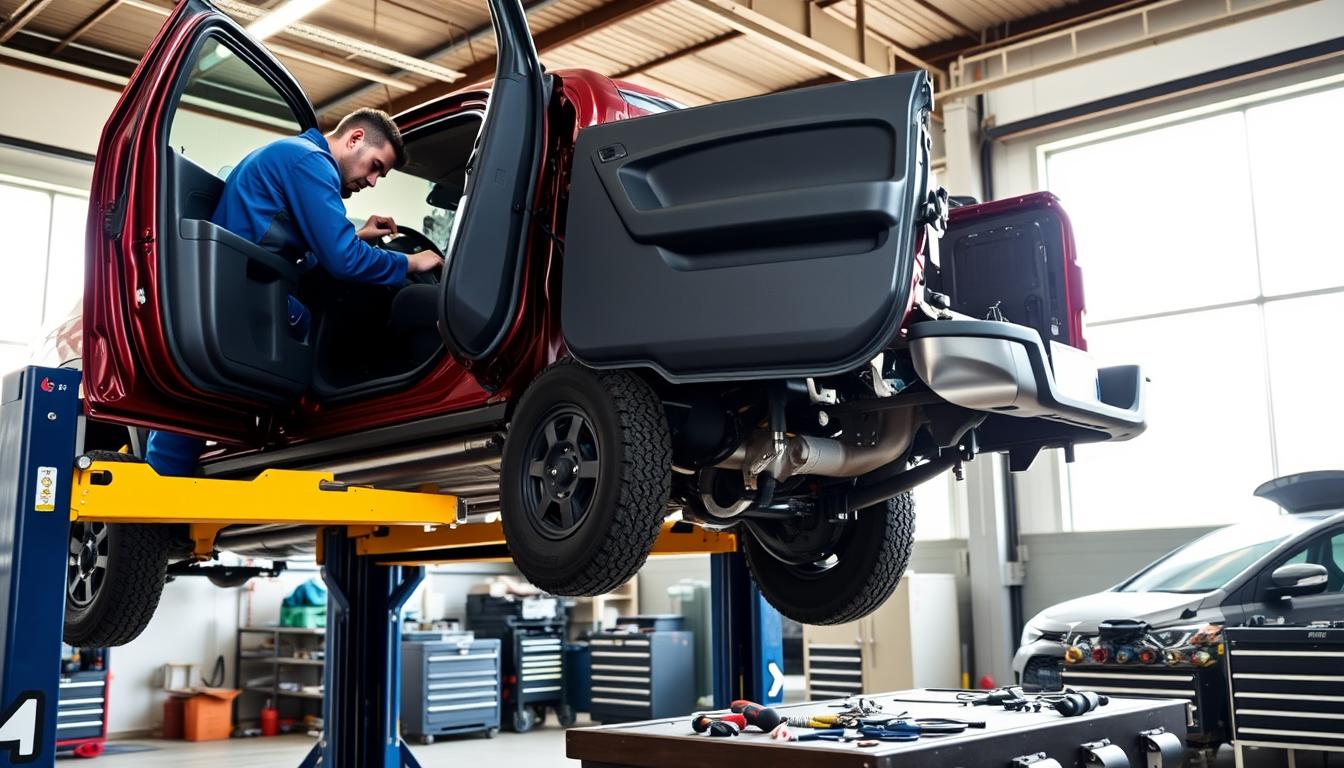
Ford recalls 2024 ranger pickups over window pinching issue

Ford recalls 2024 ranger pickups over window pinching issue

Ford recalls 2024 Ranger pickups As a Ford owner, I’m here to help you with the recall for the window pinching issue in 2024 Ranger trucks. Ford recalls 2024 ranger pickups over window pinching issue The recall notice warns of a safety risk with the window mechanism in some models. Ford recalls 2024 ranger pickups over window pinching issue It’s important to understand this recall and how to fix it. This recall is to keep your vehicle safe and sound. It’s a step to avoid any harm from the faulty window mechanism. Key Takeaways The 2024 Ford Ranger recall is due to a window pinching issue. Certain models are affected by the faulty window mechanism. Owners can take steps to address the recall and ensure their vehicle’s safety. The recall is a proactive measure to prevent any harm. Ford is taking steps to fix the issue and keep customers safe. Understanding the Ford Recalls 2024 Ranger Pickups Over Window Pinching Issue Ford has issued a recall for its 2024 Ranger pickups. This is due to a potentially hazardous window mechanism. The recall is a precaution to address a defect that could lead to injury. The issue is with the window’s ability to pinch or trap objects or body parts. This is a safety concern that needs immediate attention. What Exactly Is the Window Pinching Problem? The window pinching problem is a defect in the window mechanism of certain 2024 Ford Ranger pickups. This defect allows the window to close improperly. It can pinch or trap objects or even body parts. This is a safety concern that requires immediate attention. It’s a defect that needs to be fixed right away. ford ranger window pinching problem Affected Models and Production Dates The recall affects specific models of the 2024 Ford Ranger. These models were produced within certain dates. Ford recalls 2024 ranger pickups over window pinching issue To see if your vehicle is affected, check the recall notice or Ford’s official website. The production dates for the affected models are between March 2023 and August 2023. This is important to know if your vehicle is part of the recall. Model Production Dates 2024 Ford Ranger XLT March 2023 – August 2023 2024 Ford Ranger Lariat March 2023 – August 2023 Safety Implications for Ranger Owners The safety implications of the window pinching problem are significant. If the window mechanism is faulty, it could lead to accidents or injuries. This is a big concern, as it could harm children. It’s very important for owners of the affected models to have their vehicles inspected and repaired as soon as possible. This is to avoid any risks. How to Respond to Your Ford Ranger Recall Notice If you own a 2024 Ford Ranger, it’s important to know what to do about the recall notice. This notice is about a problem with the windows. Checking If Your 2024 Ranger Is Affected To see if your truck is recalled, you can use Ford’s recall lookup tool on their website. Ford recalls 2024 ranger pickups over window pinching issue Or, you can call your local Ford dealership with your Vehicle Identification Number (VIN). Visit Ford’s official website. Navigate to the recall section. Enter your VIN to check if your vehicle is affected. Steps to Schedule Your Recall Service After finding out your truck is recalled, you need to schedule a service. Contact your local Ford dealership to ask about their service process. Give them your VIN and other important details. Contacting Your Local Ford Dealer It’s key to call your local Ford dealer to set up an appointment. They will help you and tell you what you need to do. What Documentation to Bring When you go to the dealership, make sure to bring the right documents. This includes your vehicle’s registration and any recall notices you have. What to Expect During the Repair Process Knowing what happens during the repair can make you feel better. The fix is to update the window regulator to stop pinching. It’s a simple fix. Temporary Safety Measures Before Service Before your truck is fixed, be careful with the windows. This is to avoid any pinching problems. Estimated Repair Time and Procedures The repair usually takes a few hours. This depends on how busy the dealership is. They will check and replace the window regulator if needed. 2024 Ford Ranger window recall repair process Conclusion The recall of 2024 Ford Ranger pickups is a big safety step. It’s important for owners to understand and follow the recall process. This ensures your safety while driving. If you own a 2024 Ford Ranger, check if it’s part of the recall. Ford recalls 2024 ranger pickups over window pinching issue You can visit Ford’s website or talk to a local dealer. Keeping up with recall news and acting fast is key to your vehicle’s safety and performance. Acting quickly can prevent injuries and make driving safer. I urge all affected owners to get their recall service done fast. This will fix the window pinching issue. FAQ What is the window pinching issue in the 2024 Ford Ranger pickups? The window pinching issue is a defect. It makes the window pinch or trap objects or body parts. This could lead to injury. How do I check if my 2024 Ford Ranger is affected by the recall? To see if your vehicle is recalled, visit the Ford website. Enter your Vehicle Identification Number (VIN). Or, contact your local Ford dealer. What should I do if my 2024 Ford Ranger is recalled? If your vehicle is recalled, contact your local Ford dealer. They will help you schedule a service. Bring your vehicle’s registration and proof of ownership. What can I expect during the repair process for the window pinching issue? The repair process will check and fix the defective window mechanism. It might need to be replaced. The time needed for the repair can vary, but you’ll need to leave your vehicle at the dealership for a few hours. Are there any temporary safety measures I can take before getting my 2024 Ford Ranger serviced? Yes, as a precaution, avoid using the power windows until the repair is done. This will help minimize the risk of injury or damage. Will Ford notify me directly about the recall? Ford will notify owners by mail. You may also get notifications through the FordPass app if you’ve registered your vehicle. Is the 2024 Ford Ranger window recall related to other safety issues? The recall is only for the window pinching issue. But, it’s important to stay informed about other safety concerns or recalls that might affect your vehicle. Readmore >>>>>>> Essential Guide to Hydraulic Cylinder Repair: Techniques and Best Practices  

Maximizing Benefits: Workers Comp for Contractors Confidential

workers comp for contractors

Introduction If you are in the construction and contract business, you know how important a healthy workforce is. workers comp for contractors If you’re a responsible business owner in the construction industry, you should know about workers’ compensation insurance. The following guide will provide a behind-the-scenes look at workers’ comp for contractors. What you will also explain why is that so important, while giving all the necessary facts. Key Highlights This insurance helps contractors protect their workers and prevents them from incurring costly lawsuits that could drive them into financial ruin. Coverage includes medical bills, lost wages and rehabilitation costs after injuries that happen on the job. Every state has different workers’ comp laws, so having an understanding of your particular state’s gsbs is essential. Shop by independent contractor status vs employee classification A MAJOR DETAILED GUIDE. Getting workers’ comp shows you’re professional and protects you and your company. What Contractors Need to Know About Workers’ Comp Workers’ compensation insurance, also called “workers’ comp,” provides protection for both employers and employees in the event of work-related injury or illness. workers comp for contractors It functions as a no-fault system. That means benefits are awarded even when no one was at fault for the accident. For contractors, workers’ comp is so crucial because the construction and similar jobs come with a lot of potential risk. What You Need to Know About Workers’ Compensation Insurance Workers’ compensation insurance covers most medical bills for injuries or diseases that occur on the job. workers comp for contractors This is for visits to doctors, inpatient hospital stays, surgeries, medications, and rehab services. In addition to covering medical costs, workers’ compensation insurance provides you with financial protection for lost wages. Workers compensation can provide some of the wages an employee loses if they can’t work because of an injury or illness while it recovers. In some cases, workers’ comp also helps the employee’s family, in the event of a fatal accident at the work. These death benefits help cover costs of the funeral and provide financial assistance to their family. Who Needs Workers’ Comp? Eligibility Explanation on the Contractor Filing for workers’ compensation can be cumbersome, especially for contractors. State laws play a key role in determining who needs coverage. In general, if you have employees, you likely need to carry workers’ compensation insurance. But it can be complicated to determine whether workers are independent contractors or employees. workers comp for contractors Independent contractors are self-employed and may not fall under your workers’ compensation policy. State law also defines what an independent contractor is versus an employee, and you need to know the difference. Knowing this information helps you make sure you have proper coverage and no legal problems arise. Seeking legal advice, keeping quality records of employment relations, it can help clarify matters and reduce risks. What Contractors Should Know About Workers’ Comp And contractors can benefit greatly from investing in workers’ comp. First of all, it offers you peace of mind. You know that you are fulfilling legal requirements. It can also shield your business from being sued for workplace injuries. In addition, possessing workers’ comp demonstrates concern for the invigoration of your workforce. This greatly helps boost morale and produces a more healthy work atmosphere. Line of Work-Related Injury and Illness Coverage Construction jobs carry a higher risk of injury than other occupations. workers comp for contractors Workers comp is there to help by covering medical bills when workers get hurt on the job. This could be for minor injuries such as lacerations or major accidents that require extensive medical treatment. Workers’ comp makes these costs easier to manage. The coverage is not only for immediate medical needs, either. Workers’ comp can pay those costs, too, if an injury leads to long-term health problems or therapy that continues for years. Such sustained assistance is going to be critical for workers facing their recovery and seeking to return to the workplace. Workers’ comp ensures that employees get the care they need without being burdened by costly medical bills by providing quality medical care for work-related injuries and illnesses. Legislative Protections and Compliance Advantages Workers’ comp insurance is not only useful it’s often required, from a legal perspective. Workers’ compensation one of several types of employer liability insurance is mandated by many states for businesses with employees. Failing to abide by these legalities can result in literally dire consequences, including excessive fines and litigation. The right workers compensation insurance acts as a legal shield for your business. In case an employee gets injured on the job, workers’ comp can minimize the risk of lawsuits and costly settlements. Because workers’ comp is a “no-fault” system, employees usually relinquish the right to sue their employer for negligence in exchange for benefits. And obtaining workers’ comp can help your business appear more professional. On many projects you apply for, clients require proof of workers’ compensation insurance before you can even submit a bid. Contractors Guide to Workers’ Comp Requirements Workers’ compensation laws and regulations vary by state. That means what happens in Texas might not travel to Florida at all. workers comp for contractors It is crucial to be aware of your state’s laws so that you can comply properly. If you misclassify workers as independent contractors rather than employees, the consequences can be severe. These are paying back taxes, facing fines, and legal troubles. Laws and Regulations for State-Specific Workers’ Comp Because state laws regarding workers’ compensation insurance vary, it’s important that you stay updated on your state’s specific regulations. Texas law is different than Florida’s requirements, so it is important to research your local legislation. Speaking with a lawyer or insurance agent can help clear some of that up and make sure you know how your state does things. As a simplified example of the differences in state laws, here is a brief comparison with Texas and Florida: Feature Texas Florida Coverage Requirement Not always mandatory for all businesses Generally required for businesses with employees Independent Contractors Stricter classification rules May have more relaxed guidelines   Data stored: This table is just a glimpse of what varies or is the same about workers’ compensation from state to state. For specifics and advice about the laws that apply to your area, you should consult with legal and insurance professionals who understand your state law. The Difference Between Independent Contractors and Employees It is critical to … Read more

Expert Tips for Using Circlip Pliers

circlip pliers

How to Use Circlip Pliers: Expert Tips Key Highlights What Is Circlip Pliers These are handy tools used to install or remove circlips also known as retaining rings or snap rings. The correct type of circlip pliers should be used, internal or external, as applicable for the task. Knowing the circlip size and using the suitable fit of pliers allows a secure fit and prevents circuitry. If you take the time to clean, lubricate, and store your circlip pliers correctly, you will noticeably increase the service life. Safety first, always wear safety gear and using the pliers with caution. Introduction There are a series of pliers that can be called as circlip pliers or retaining ring pliers which are hand tools used. They keep you safely and easily insert or extracts circlips. Fasteners that can go by the name of circlips, retaining rings, or snap rings. They hold parts in place on shafts or inside bores. Typically, circlips come in two variants. An external circlip snaps into the groove around a shaft. An internal circlip sits within a groove on a bore. Understanding the different types of circlip pliers and how they are used is crucial for lots of mechanical and engineering tasks. Understanding Circlip Pliers While regular pliers have flat tips, circlip pliers come with tips that are uniquely shaped for the job. These tips slide neatly through the notches of the circlip. Having this design helps when installing or removing the circlip safely. Circlip pliers are designed for specific circlip sizes. Size is very crucial for this purpose. Using an incorrect size can destroy the circlip or cause it to fracture. It can damage other parts and create safety hazards. Knowing how to bodge a task with these unique pliers means performing a task not just better, but more accurately. They come in many different designs and variants, depending on different types of circlip. External circlips fit around a shaft. They press inward to keep sections from sliding out of alignment. Conversely, internal circlips sit inside a bore and open like claws. Without the right tools, these snap rings are difficult to remove or put on manually, and trying to attempt so can prove to be dangerous. That’s where circlip pliers are useful. These have an ergonomic design for better control. They assist in easily expanding or compressing the circlip. The tips of the pliers engage snugly into the holes of the circlip. That way, you can pick it up and move without slipping. Designed correctly and applied properly, a pair of circlip pliers makes the install or removal of these critical fasteners safe and effortless. This prevents their circlips and the parts they retain from being damaged. Key Features to Look For Choosing the right type of circlip pliers to use will depend on your requirements. Well, the most common type are external circlip pliers and internal circlip pliers. And there is each type of it for specific circlip type. Its worth noting that there are several types of circlip pliers for various jobs and sizes. Some pliers have fixed tips, while others allow for tip changes to offer an even broader selection. You can also buy special pliers with angled tips that can be useful in tight spaces. Spring-loaded handles and adjustable tension make them more comfortable and easier to use. At the end of the day, the best circlip pliers should be tough enough, easy to use, and offer enough grip and control to suit your requirements. Preparing for Your First Use Before you using circlip pliers for the first time, you need to recognize all parts and how they work. Handle, pivot point and then tips first. Then attempt to open and close the pliers. This will assist you in comprehending their functionality. Increasing your knowledge about how the tool operates will assist you in applying the appropriate pressure and technique while working with circlips. Basic Gear And Materials Required To save time and money, consider a circlip plier set. These usually come with a variety of different-sized pliers. You can use them to help you with several tasks. A decent set of circlip pliers will come packaged in a robust pouch or case. Hence it saves space and you can carry it along. The better-quality circlip plier sets are available from established brands on Amazon and elsewhere. Ensure the set includes the sizes and types of pliers that you will truly need for your jobs. Safety Protocols and Proper Procedures Safety comes first when using circlip pliers. Wear safety glasses to protect your eyes from flying debris generated by a broken snap ring. Work in a bright area so you can clearly see the circlip and the surrounding parts. Selecting size of Pliers is critical for working on circlip. Additionally, even applying the wrong tool to a circlip can damage it or break it, which can be dangerous. If you install or remove circlips, please use even and controlled pressure. If it slips or breaks the circlip, it will slip or break the circlip. How to Use Circlip Pliers Step by Step Once you know the type of circlip and the correct method, using circlip pliers correctly is easy. However, here are some general steps to assist you be sure to check the manufacturer’s instructions for the specific pliers you’re using and what you should do. Making sure that you are using the correct type of these special pliers and identifying the circlip the wire section (a large cut in the face of inner diameter needs to be placed around the pegs) is also essential. How to Remove a Circlip: Step 1: Identify the Circlip Type Find out if you are using an internal or external circlip as the first step. External circlips fit into a groove on the circumference of a shaft. Alternatively, internal circlips snap into a groove on the inside of a hole. External circlips have inward facing prongs. Internal circlips, on the other hand, have prongs that point outward. That means you require separate pliers for every kind. That’s the wrong type of tool to use and can damage the circlip or the part that you are dealing with. It can also cause injury. Know the type of circlip, and you can choose the appropriate pliers. Step 2: Choosing the Right Pliers Now you are aware if you absolutely need external circlip pliers or internal circlip pliers, the very next step is to choose the … Read more

Unveiling the Aprilia shiver 900 china launch: A Bold Launch in China for 2025

Aprilia shiver 900 china launch

Revved up for its’ remarkable comeback, the Shiver 900 is now being introduced as the APR900. Aprilia shiver 900 china launch Set to launch in China during 2025, this motorcycle is the result of Piaggio’s collaboration with Zongshen which has enabled Chinese fans to finally get their fix in terms of modernized Chinese motorcycles to drive in. In this model, admirers of the Shiver 900 will be delighted to see both new and familiar features. Features such as these are what make this motorcycle worth the attention it gets. Key Takeaways Aprilia collaborated with Zongshen to make the reintroduction of the Shiver 900 possible. This model will be targeted towards Chinese audiences, hence the name shift to APR900. The motorcycle will still carry the same features such as the V-twin engine with 896cc capacity. Gilera has a weaker presence in China compared to Aprilia which makes this shift easier. Now, this makes it apparent that chinese markets are of strategic significance for motorcycle brands around the world. The Revival of the Aprilia shiver 900 china launch Partnership Between Piaggio and Zongshen The direct collaboration of Piaggio and Zongshen is what will enable fans achieve their dream of getting their hands on the motorcycle they have dreamt of for so long. This partnership which has been in consideration since 2022 serves as a foundation for unlocking the Shiver 900 console specifically targeted towards China. Zongshen which has recently changed its operating brand to Zonsen has been instrumental in modifying the bike for local assembly. The APR900 is their collective effort matched with their vision to supply China’s increasing demographic of intermediate servicing motorbikes. Rebranding As APR900 and it’s Effects The move of changing the current Shiver 900 model to APR900 denotes a new lease of life for the model in regions that are very sensitive to brand perception. aprilia shiver 900 china launch The motorcycle still inherits the Aprila Shiver 900 features, however, APr900 has its moniker constructed to cater to the nationalistic ardor of Chinese people. It has now detached itself from the bike’s image of being European, and can independently prove itself in an aggressively competitive market. Changing the name of APR900 is not simply a rebranding but rather a complete change of busines strategy to fulfill local demands. Most Notable Features From The Original Model With rebranding comes new features that appeal to most, yet APR900 is still attached to its core with some elements of the Shiver 900 incorporated. Here is a summary of some things that are known to be: Engine: The APR900 retains the V-twin 896cc engine, so you can expect the same power and smooth performance like before. Chassis: Its sturdy frame and a 57.7-inch wheelbase have not changed, meaning agility and stability remain. Weight: Its curb weight is 485 pounds, which is very manageable considering the Shiver 900’s reputation. Design: Some side panel modification has occurred, however, overall design is still a unique blend of modern and classic Shiver. The evolution of the APR900 was not just a restoration. It continues to build on the existing framework of a much-loved model, but crafted for a different audience. Design and Engineering of The APR900 Aesthetic Updates and Modifications The restyling of the APR900 incorporates some fresh changes, while still maintaining much of the Shiver 900 DNA. aprilia shiver 900 china launch Its redesigned side panels differ from the originals, but still retains their charm. Aprilia’s bold stance and sharp lines still dominate the overall design. Instead, the changes attempt to allow the bike to be marketable today while still being recognizeable for longtime fans. Technical specifications: Engine and Chassis APR900 stays true to itself under the hood. As always, the bike’s heart is an 896cc V-twin engine coupled with the same 94 hp output and 130mph top speed as the Shiver 900. The wheelbase of 57.7 inches and curb weight of 485 pounds means it rides well for both city and highway riding. A fine combination of power and manueverability.   Specification Details Engine 896cc V-twin Power 94 hp Top Speed 130 mph Wheelbase 57.7 inches Curb Weight 485 pounds Comparisons with the Original Shiver 900 Putting the APR900 alongside the Shiver 900 reveals stunning visual similarities. aprilia shiver 900 china launch The motor and frame are pretty much the same aside from aesthetic changes on the APR900. It’s like meeting an old friend with a new hair cut; That old friend is still there, but changed just enough to keep things interesting. It’s like the APR900 is a nostalgic nod to the Shiver 900, but not quite, as it aims to introduce the bike to a whole new market. “We’re back, and we’re here to stay,” is the subtle message behind the April 900 as it is not just a new bike, but an icon. The Role of Zongshen in the APR900 Launch Zongshen’s Contribution to the Project China’s Zongshen is a powerhouse unto itself, which is why their part in resurrecting the Aprilia Shiver 900 into the APR900 is no surprise. With the collaboration with Piaggio, Zongshen has provided its manufacturing skills and knowledge of the local market which means the APR900 is affordable and attractive to Chinese users. This partnership serves as a case study for how international companies can meet local needs by forming alliances with local entities. {Cyclone RA9 and Its Influence}   Prior to the APR900, Zongshen’s premium brand Cyclone developed a concept bike RA9 which also adopted the 896cc V-twin engine of Shiver 900. The RA9 was a radical concept bike and its design was more of an experimental shell for the APR900. This cross-pollination of ideas between Cyclone and Aprilia is a classic example of how Zongshen has transformed his innovation pipeline to the APR900. From Gilera Branding to Aprilia It is quite curious as to why there were attempts to bring back the Shiver 900 using Gilera’s brand in China. aprilia shiver 900 china launch Some prototypes did have the Gilera mark which led to theories around what seemed to be a … Read more

Maximizing Efficiency: A Comprehensive Guide to PTO Hydraulic Pumps for Modern Machinery

PTO hydraulic pumps will forever change the way we use modern machinery. They allow a single engine to multitask and power multiple tools/systems simultaneously. In this guide, I will cover what these pumps are, how they function, and the reasons you should consider them for your equipment. Regardless of if you work in agriculture, construction, or any industry, PTO hydraulic pumps will help you accomplish more with less effort. Key Takeaways PTO hydraulic pumps can operate many separate tasks with one engine which simplifies operations. These pumps can eliminate the purchase of extra motors or engines, thus saving a lot of money. They are compact, making them well suited for space-constrained machinery. Some pumps like gear pumps, vane pumps, and piston pumps serve different needs according to the application and pressure. Inspections and lubrication are forms of regular maintenance that may increase the lifespan of your pump. Understanding the Basics of PTO Hydraulic Pumps What Are PTO Hydraulic Pumps? PTO hydraulic pumps are specialized devices that transform the mechanical power from a tractor or an engine into hydraulic energy. Such energy can then be used in the operation of many machines, including agricultural tools and industrial equipment. If raw engine power and hydraulic systems needed a middleman, a professional would put forward these pumps. They are commonly mounted straight to the power take-off (PTO) shaft of a truck or tractor which makes them simple to implement while still allowing for maximum effectiveness. Key Components of PTO Hydraulic Pumps These pumps work with a collection of components that each serves a specific purpose, and their function working together is what makes these systems so effective. Here is a list of parts: PTO Shaft: Takes mechanical power from the engine and sends it to the pump. Pump Housing: Contains oil and safeguards the pump’s components. Piston, Vane, or Gear Type: Those are the components sucking mechanical force and pushing hydraulic oil under pressure. Relief Valve: Determines maximum pressure of the system. If the level is reached, increases in pressure will not be allowed. Having oberserved, each part has a set duty, working in unison to ease the pressure of the pump and give it adequate hydraulic force. How PTO Hydraulic Pumps Work Even while doing an extremely effective job, a PTO hydraulic pump is easy to use. Here are the steps: Power Transfer: PTO shaft is connected to the pump and receives circular movement from the motor. Hydraulic Fluid Movement: Within the pump, oil is pressurized by the screws, vanes or pistons. Energy Conversion: Pressured oil is channeled to the equipment to activate it and then oil whippers, curve cutters, balers, etc, can be used. When fully operational, a PTO hydraulic pump is instrumental in enhancing the effectiveness of your machinery. As such, it is a key component in numerous industries. Benefits of PTO Hydraulic Pumps on Current Machinery Technology Improved Efficiency and Effectiveness PTO hydraulic pumps focus on maximizing machinery capabilities to the fullest. With an engine power already available, there is no need for another motor to drive the hydraulic systems, and this results in an efficient system that saves energy. This configuration guarantees smooth running of the machinery even under high loads, which makes them ideal for harsh applications, such as construction and agriculture. Additionally, these pumps provide consistent power, allowing work to be done with minimal downtime. Cost Efficiency and Multi-Purpose Use There will be significant long-term savings through the use of PTO hydraulic pumps. There is no need for additional complicated motors or generators because they utilize the engine’s available power. This leads to lower initial expenses along with easier servicing. The best part is, it can be used in so many different scenarios. It does not matter if you have a construction loader, a farm tractor, or a piece of forestry equipment, PTO hydraulic pumps are versatile and can perform many different jobs. Compact Design for Space Optimization PTO hydraulic pumps are perfect for modern machinery which have confined working space. Due to their compact construction, they can be easily fitted into confined areas while functioning efficiently. This is perfect for machinery with limited scope. They tidy up the machine and boost productivity which is very important for most operators and engineers. PTO hydraulic pumps effectively and efficiently meet the requirements of modern machinery with the added value of savings. They’re no longer just a part – they have significantly altered the approach to powering supplemental systems. Types of PTO Hydraulic Pumps and Their Applications Gear Pumps: Reliable and Durable Large machines like tractors use gear pumps in their PTO hydraulic systems. It contains driven and driving gears that are constantly rotating and pumping the liquid in and out. Therefore, these pumps are very dependable and easy to service and maintain. These types of pumps are well accepted for their strength and capability to pump difficult fluids. Remarkable high pressure performance endurance is one of their unique traits. Due to their dependability, gear pumps find application for agricultural and construction machinery. Vane Pumps: Smooth and Quiet Operation Vane pumps are perfect fit when looking for a pump that functions smoothly and quietly. The audible noise and hydraulic vibration is decreased by the continued rotation of a shaft and motion of blades in these pumps. They work well in a broad range of industrial applications, including machinery and material handling that need accuracy. Although, these pumps aren’t well suited for high pressure jobs. Piston Pumps: Their High Power Pressure Achievements When dealing with higher power pressure and efficiency needs, piston pumps are ideal. Versus the remaining types, these pumps are considerably more powerful since they operate with pistons that shift the fluid. Their typical applications rest with the heavy duty machines such as cranes and excavators. While performing at peak efficiency, they will be far more complex and pricey to service than gear or vane type pumps. It is essential to identify your particular application when choosing a PTO hydraulic pump. Every type of pump has positive and negative attributes, and matching the pump with the task secures … Read more

Essential Guide to Hydraulic Cylinder Repair: Techniques and Best Practices

Hydraulic Cylinder Repair

Hydraulic cylinders often go overlooked in the grand scope of machinery. Hydraulic Cylinder Repair They’re usually the ones who are in the background, tirelessly exerting themselves to ensure everything is flowing naturally. Just like any device that is always on the go, these parts are bound to fatigue and need some rest. This is exactly why hydraulic cylinder repair is so essential. Whether you are s novice or a veteran, knowing these fundamentals will definitely help you save your resources. In this guide, you will learn the basics of repair and everything from the components to the selection of a hydraulic cylinder repair service. Key Takeaways Failures in hydraulic cylinders can hinder the working of machines, and just like machines, cylinders also need some routine checkups. Repairing a hydraulic cylinder can pose some dangers; it is critical to wear the right safety equipment and make sure the system is depressurized. Diagnosing problems early on can save valuable resources since the problem will not escalate to a larger challenge. A completed repair procedure entails cleaning, examining, replacing components, and reassembling the cylinder which is done in a step-by-step manner. In today’s time, finding a good repair service company is crucial since their service greatly determines the quality and durability of the repair. Understanding Hydraulic Cylinder Components Key Parts of a Hydraulic Cylinder With the aid of “muscles” for machines, hydraulic pressure can be converted into linear movement using hydraulic cylinders. They have several key parts: Cylinder Barrel: The primary structural component which serves as a reservoir for hydraulic fluids. Piston and Piston Rod: These two act together to translate fluid pressure into motion. Seals: These are most critical in stopping fluid from leaking out and holding pressure. End Caps: These caps cover the two openings of the barrel’s cylinder. These individual parts must be highly coordinated to make certain the cylinder operates smoothly. Hydraulic Cylinder Repair If one pieces fails, it can impact the entire system. Frequent Reasons Behind Failures These failures can stem from multiple reasons. Here are common failures behind hydraulic cylinder components: Impure Hydraulic Oil: Oil not kept clean can cause a lot of wear and tear. Seals Whittle Away: Can leads seals to degrade over time causing leaks. Rods With Bends: Rods can be bent due to mishandling or applying too much force. Being aware of these issues can help diagnose problems earlier as well as extend the life of the cylinder. Quality Drivers Material used is vital within hydraulic cylinders. They must fulfill high pressures and other hostile conditions. Quality components should always be considered not just for performance, but for the lifespan of machinery as well. Use quality materials when building a hydraulics cylinder if the system’s efficiency and reliability is important to you. To learn about hydraulic components in detail, visit this guide on essential hydraulic components. Repairing Safety Measures for Hydraulic Cylinders Required Protective Equipment for the Technician Now, prior to any repair of the hydraulic cylinder, there is a right way to prepare, which is to wear the right gear. Strong Personal protective equipment (PPE) is important. Safety goggles to shield the eyes, gloves for safeguarding hands, and a hard hat if working under heavy loads. Hydraulic Cylinder Repair Protective clothing is important as well to mitigate any injuries. Depressurization of a System Before you even start opening a hydraulic system you have to depressurize it. This step is mandatory. Here’s how you do it: Complete stop of the hydraulic system. Open all pressure relief valves to exhaust any pressure trapping. Ensure all pressure gauges are in a state of zero indication. This procedure will assist in preventive measures towards unwanted discrepancies allowing the user and the equipment to operate without added risks. Cleaning the Work Environment Another important fact is that work areas that are neat are also safe. In this case always remember to check that your work area is tidy and organized. Ensure that the hydraulic cylinder is secured to avoid rolling or falling. When moving heavy components, make use of proper lifting tools such as cranes or hoists. Always be sure to lockout and tagout the system to eliminate the risk for unexpected engagements. Accidents can be avoided by maintaining an orderly environment. Precaution can help avoid incidents that can harm you or someone around you. Diagnosing Hydraulic Cylinder Issues Identifying Common Symtpoms of Malfunction While the majority of machines depend on hydraulic cylinders functioning properly, these components can also develop issues. For example,the rod of the cylinder moves up and down erratically. Other exhibits are abnormal noises, such as banging or hissing, which are never good signs. Hydraulic Cylinder Repair These need a diagnosis, and you should be alert to the pressure of the hydraulic fluid, too. It can tell you a lot if there are changes in pressure, for instance, if there are leakages or a blockage in the system. Using Diagnostic Tools Effectively Once a problem has been determined, put on some gloves and start examining with the appropriate tools. These often reveal problems that are not on the surface . You can check for leakages using pressure gauges where the eye can’t observe. You can also use thermal imaging camera to check for some heat burnings that are concealed. You can’t see these problems straight away, but those tools help you see that. Conducting a Thorough Visual Inspection Having diagnosed the issues with the hydraulic cylinder, have a proper visual look of the cylinder. Look for obvious leaks and check the seals for wear or the rods for signs of bending. The walls of the cylinder should be smooth, as any grooves or holes can disrupt the movement of the piston. Be sure to look closely at the fluid as well; check for any signs of discoloration or contamination. It’s really about attempting to identify those minor problems before they escalate into major troubles. Simple maintenance and good tool selection can prevent expensive fixes in the future. Think ahead instead of waiting for something to go wrong. Repairing a … Read more

Power Press vs Hydraulic Press: Which One is Right for Your Needs Overcome

Power Press vs Hydraulic Press

For the best decision to be made regarding whether to use a Power Press vs Hydraulic Press, a few things must be taken into consideration. These include the advantages and disadvantages of both machines. Power presses are usually the fastest, while hydraulic presses are effortlessly more precise at their tasks. Depending on the requirements of the specific task, one will most likely be better than the other. We will help you narrow down your choices and identify which of the two is the best for your needs. Important Points In general, power presses are faster than pencil sharpeners; therefore, they are best suited for production tasks that are higher in volume. Detail-oriented tasks are best performed using hydraulic presses because they offer more precision at control. While power presses require more frequent mechanical checks, hydraulic presses have a different fluid maintenance routine. Pencil sharpeners are easier to use than hydraulic presses as they generally have low initial costs. Your production volume, precision needs, and budget are important aspects to consider when selecting the right press. Power Press Vs. Hydraulic Presses: Understanding the Basics Definition and Functionality To call a section of the universe with fascinating machines a world of presses is rather a generic term and makes things highly oversimplified. Power presses and hydraulic presses are both important types of machinery, each possessing their own charm and set of skills. Power Press vs Hydraulic Press There is the power press, or “mechanical press,” which is a type of press that uses mechanical work to stimulate and produce force. A power press has a system of gears, crankshafts, and cams driven by an electric motor, which allows it to function. The motor spins a flywheel, which contains energy and allows it to be shared with the press parts, creating the force that enables the press to cut or shape materials. On the other end of the spectrum, a hydraulic press operates on the principles of fluid power. It employs hydraulic cylinders for force production which is much slower but very precise. These cylinders use a pump to move fluid into a cylinder, placing pressure onto the piston. The pressure that was placed is then used on the workpiece, allowing hydraulic presses to be used for instances that require delicateness and precision. Key Components and Mechanisms Let’s breakdown the deepest components of these machines a bit. All the lines and pieces of a power press must be able to cooperate effectively together, which is why some of the essential portions are listed below: Flywheel: Drives the press and allows for energy storage. Clutch and Brake: They engage and disengage the movement of the press, stopping and starting the flywheel as required. Press Frame: Makes the structure more sturdy. Ram or Slide: Supplies moving-force up and down. Die Set These are the components that perform the actual shaping or cutting. Hydraulic presses have something more to offer than just the usual elements: Hydraulic Cylinder: This powers the machine and is where the fluid pressure is converted to mechanical energy. Pump: Creates pressure by pumping hydraulic fluid. Reservoir: Keeps the fluid at the ideal temperature and stores it. Control Valves: Regulate pressure and flow of the fluid. Common Applications In terms of usage, these types of presses find use throughout many industries but there are some differences in their applications. Power presses are used in stamping operations of automotive manufacturers because the machines are designed to operate at full speed and power, bulldozing parts out promptly and professionally. They are made for tasks requiring high amounts of force, and for completing them swiftly. Hydraulic presses, on the other hand, are used for more intricate work and jobs that require a delicater hand, like molding, forging, and precise punching. Power Press vs Hydraulic Press Thus, they are widely used in deep forming and intricate shaping. The hydraulic subsystems can apply force at any point during the stroke, so there is aplenty of control for precision. So in short, whether you need speed and power, or precision and control will greatly depend on the needs of your operation and deciding between these two different types of presses. To learn more about how mechanical energy is used in mechanical presses, and fluid power in hydraulic presses, it is important to understand these differences when picking the right press for your requirements. In What Areas Can Power Presses and Hydraulic Power Presses be Compared Given the Measures of Force and Precision Generation and Control of Force In the way force is generated and controlled, power presses and hydraulic presses differ considerably. Certain devices power presses have such as gears and crankshafts enable them to generate mechanical force. Because they are designed like this, they can produce a lot of force very quickly, which is good for tasks that require speed. This does mean, however, that the amount of force that can be used is not easily changeable once motion has commenced. In contrast, hydraulic presses are equipped with hydraulic cylinders that enable them to use hydraulics to create the needed force which gives them control over how much pressure is used. This makes them ideal for tasks that require molding or shaping something with great precision, as the application of force can be adjusted to be steady and precise. Operations with More Notable Precision As for precise operations, hydraulic presses indeed hold the advantage. Power Press vs Hydraulic Press They can modify the ram pressure and movement of the ram in the most appropriate way which allows for greater precision in operations, especially with detailed complex shapes. Having adequate control is important in industries such as aerospace and medical devices manufacturing. With mechanical power machines, the focus is more on precision, unlike with power presses, where consistency, speed, and even the stamping or cutting a piece requires it to be identical is everything. Material Quality Impact Material Quality impact is also something else that should be given a thought. While hydraulic presses do apply force, it is rather gradual will do best … Read more

Electric Hydraulic Press for Blacksmithing Unlocking the Power: The Ultimate Passionate

Electric hydraulic press for blacksmithing

Welcome to the amazing world of blacksmithing! The phrase “Electric hydraulic press for blacksmithing” is probably something you came across while doing your research. These machines are very important if you are looking to further enhance your skills in metal working. What exactly are they and how can they benefit your workshop? This guide will detail everything you need to know from how to electric hydraulic presses for blacksmithing, choosing the right model, techniques, and safety measures. Important Points to Note Electric hydraulic presses are crucial when accuracy in blacksmithing is needed Choosing the right press is Dependant on size, type and budget For best performance, electric hydraulic presses need to have regular maintenance As with all machines and tools, safety procedures must be followed Annual servicing will ensure that your electric hydraulic press has a prolonged lifespan The Role of Electric Hydraulic Presses in Blacksmithing Electric hydraulic presses are arguably the best tools in a blacksmithing arsenal. With manual hammering intense muscle power is needed. Electric hydraulic press for blacksmithing These machines on the other hand combine electric motors with hydraulic systems to provide intense formability. With autonomy over force magnitude, shaping metal has never been so easy. Key Features of Electric Hydraulic Presses Like any form of technology, electric hydraulic presses have new features that allow the user to expand beyond limits: There is no need for a burr on the punches, so the Unit Tool can be used to stamp, perforate or emboss without any prior finishes done. Auto form lap spindles can be produced in more than one piece. standard workpieces and sleeves can be used. These give spindles of multiple lengths and various configurations. Individual parts can include upper outer holders and internal tubes that are to be assembled. Conventional methods using standard gears as well as the spindle sleeves allow for effortless assembling of other lengths. These spindles can then be slotted into wire guides for crafting lures. Spindles of less than 30 mm width can be fitted into different binding systems. As technology progresses, these tools become more available, making them useful in blacksmith workshops. Picking the Appropriate Electric Hydraulic Press for your Blacksmithing Tasks Things to Think About When Choosing a Press There are a number of things you should keep in mind when you’re looking to purchase an electric hydraulic press so that you’re making the right investment for your blacksmithing needs. First and foremost, assess the force capacity of the press. Think of what kind of projects you are going to do and then select a press that meets the necessary force. You do not want to have a machine that is too weak to perform the tasks. Following that, it is now time to check how the press performs in terms of speed and accuracy. Some projects can be more sensitive, so having a press that has adjustable speed levels along with precision settings should be more efficient. Don’t forget to check the measurements of the Press as well. It should not be larger than your workspace while still being able to fit the materials you wish to work with. Last but not least, the source of power should not be neglected. Electric hydraulic press for blacksmithing will always need electricity so double-check that your workshop is set up properly. Evaluating Various Models and Their Manufacturers After you have figured out what you need, you can begin evaluating other brands and models. In fact, certain brands seem to have superior customer service and warranties, which for some people can be the only requirement to buy a product. Check the reviews of other customers for an idea on how each model works in practice. Make a table for the possible candidates and analyze their pros and cons. To make it easier, you can create a table to analyze important details like force capacity, speed, and cost. Model Force Capacity Speed Price Model A 20 tons Adjustable $1,500 Model B 25 tons Fixed $1,800 Model C 30 tons Adjustable $2,200 In turn, this allows you to analyze and determine which press is most cost effective. Accounting for Your Expenses Towards Purchasing a Hydraulic Press It is important to understand that spending money on an electric hydraulic press is not a simple task, which is why proper budgeting is imperative. There should be a clearly defined budget that takes into account the user’s personal needs and financial ability. Do not ignore the fact that expenses do not start and end with the purchase price but there will be a lot of other expenses like servicing, repairs, and enhancements. In addition to the initial budget, some portion should always be kept aside for unforeseen circumstances. Upgrading to a more advanced model or replacing a particular part can be a tricky task. “A thoughtfully selected hydraulic press can provide you the strength and finesse you need for your blacksmithing work. However, this is much like putting money in the stock market; you have to strategize and plan ahead.” Without proper planning and purchasing the precision press that gets the job done within your budget can be quite difficult. Electric hydraulic press for blacksmithing You might also want to look at the differences between hydraulic and pneumatic presses as the differences in speed, magnitude, and precision might impact your decision. Getting the most from Your Electric Hydraulic Press: Optimal Set Up Top Considerations and Recommendations For Your Installation When working on how to set your electric hydraulic press it might seem like an overwhelming set up. To set everything up the correct way even from the start, here is a list of best practices you need to follow so your press is set up correctly from the start: Picking a Proper Environment: Make sure the environment is suitable for using a press so that space allows movement and ventilation. It should also be free from any interruptions so that the press and attachments can be used easily without movement. The location should be properly anchored in place so vibrations … Read more

Unlocking Precision: The Advantages of Using an Electric Hydraulic Press in Modern Outstanding

With the modern demands of the world’s manufacturing industry comes the need for high levels of precision and efficiency. Enter the electric hydraulic press: An innovation that is unprecedented for manufacturers across the globe. Unlike their conventional counterparts, electric hydraulic presses allow for unparalleled accuracy and control, making them the preferred choice for perfectionist oriented industries. From waste reduction to improved consistency, electric hydraulic presses are the best investment a business could make to ensure they are one step ahead of the competition. Key Takeaways Modern electric hydraulic presses allow users to have greater accuracy and control than traditional presses. These machines allow users to save on material costs through better waste control. Electric hydraulic presses provide superior accuracy as well as consistency in product output. Electric hydraulic presses are cheaper to run due to their lower energy consumption. Improved safety means a significantly reduced risk for operators working with these machines. Electric Hydraulic Presses: The Basics Electric hydraulic presses are marvels of engineering, composed of an electrical system and hydraulic system integrated together to deliver precise amounts of force during various manufacturing processes. Due to their versatility and efficiency, electric hydraulic presses are being increasingly adopted by the manufacturing sector. versatility and efficiency, electric hydraulic presses are being increasingly adopted by the manufacturing sector. Key Components and Functions Electric hydraulic presses consist of several critical components that work together to perform their tasks: Hydraulic Pump: The press operates using hydraulic pressure. The hydraulic pump is the component that generates it. Since it runs off of an electric motor, it is highly efficient as well as reliable. Usually, a control system referred to as a PLC (Programmable Logic Controller) oversees the operations of the press, and guarantees accuracy and reliability in the system. Safety mechanisms. Modern hydraulic and electric presses are designed with advanced protective features in order to safeguard the operator and ensure proper function of the machine. Functions How They Differ from Traditional Presses Unlike traditional counterparts, electric hydraulic presses have a distinct difference. Unlike traditional hydraulic presses that only depend on energization of the hydraulic system, electric hydraulic presses have an enhanced integration of electric systems. This enables significantly better control while optimizing energy precipitation. Moreover, electric hydraulic presses generally have lower cost of operation, just like electric press brakes which are economical because electricity is only used during a selection of movements. Common Applications in Manufacturing For their versatility and accuracy, electric hydraulic presses are indispensable tools for a multitude of manufacturing operations. Some common applications include: Ideal for the precision bending and shaping of metal parts, metal forming is also used in low volume production. Used extensively in many industries, plastic molding is the process of molding plastic parts. Assembly Operations: Useful in activities like pressing bearings or bushings where a certain magnitude of force needs to be applied. Maximizing Accuracy in Manufacturing Processes with Electric Hydraulic Presses Greater Accuracy Electric hydraulic presses offer an upper hand in pressing precision *take note that th”Fantastic Beasts and Where to Find Them” told; emphasis on pressing because if we touch it too much we may ruin it*. Pressing can be controlled too much to the point whereby every single item shows from the set requirements. **The precision of these machines is unmatched, making them essential in industries where even the tiniest error can lead to significant issues.** With the use of the advanced controls, the manufactures are able to program precision boundaries which eliminates risks from human actions. Reduction of Material Waste One of the most significant advantages of the electric hydraulic presses is reduction in material waste by overworking while pressing. It is achieved by applying just enough amounts of pressure for each task. These actions not only cut expenses but also contribute to eco-friendly and green manufacturing by preserving materials. \n\n Ensuring Product Uniformity Uniformity while producing items is important and electric hydraulic presses achieve that as well. The electric hydraulic press controls are able to make every product in large quantities to be similar to the previous product. This is very important for brand image and client satisfaction as every product from the company is on par with the company’s standards. Today, precision is as important as obtaining it. To achieve a company’s cost and waste goals, electric hydraulic presses are essential tools that meet this requirement. Cost and Energy Saving With Electric Hydraulic Presses Decrease Power Usage Electric hydraulic presses have bulk energy cost savings because the system is more efficient than its traditional subsidized energy cost ways. Unlike continuously running hydraulic systems, there is no need to maintain pressure. Instead, power is only used when most needed. High-production operating settings will benefit from this core difference. Electric models lower the carbon footprint and are the ideal choice for manufacturers who want to increase energy savings and improve eco-friendly manufacturing. Lowered Operational Expenses Changing to electric hydraulic presses can greatly slash operational expenses. The electric energy needed to run the device is lower, meaning cheaper bills, which is a key cost in the production industry. Moreover, electric presses often have fewer moving components, so there is less physical damage, and accordingly, reduced maintenance. In the long run, these expenses start to take form, making electric presses affordable for several producers. Purchasing energy saving devices can greatly reduce total production costs. Climate Change Mitigation The eco-friendly impacts of producing new material is a larger issue today now than in the past, and electric hydraulic presses provide a deeper solution for some these impacts. Because of their energy-saving design, electric hydraulic presses help reduce greenhouse gas emissions from power plants. In Addition, the dropping oil consumption, which is very wasteful, will lead to fewer oil powered hydraulic systems, and that alone means less environmental damages. These devices not only meet the requirements but drastically exceed expectations from the international community on how industries ought to become more sustainable. Installation of electric hydraulic presses increase production power and aids global communities to have a more sustainable … Read more