
Implementing 5s in the workplace examples Manufacturing for Success
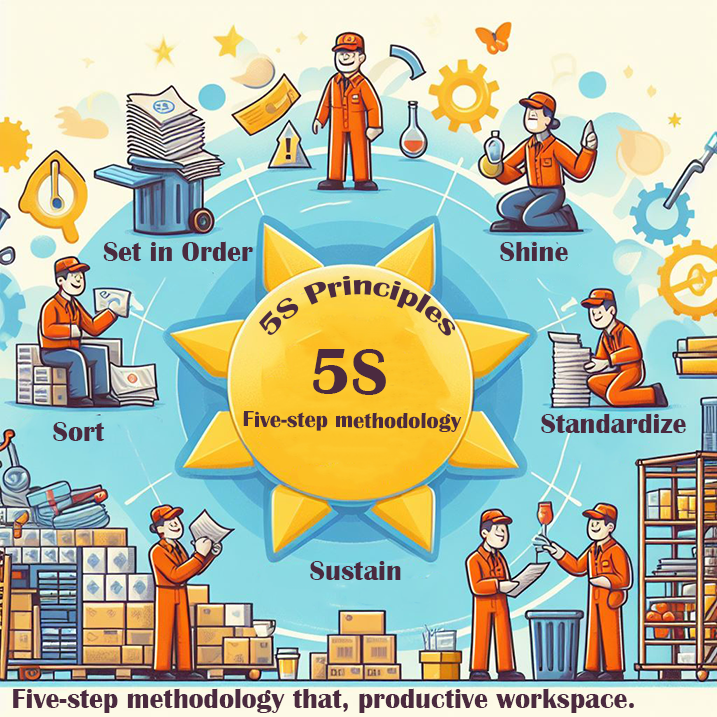
Introduction Manufacturing processes are known for complex operations that require a high level of organization and efficiency to ensure smooth production and quality output. The 5S methodology has become one of the popular approaches used in the manufacturing industry to organize the workplace and eliminate waste while improving overall efficiency. The methodology is built on five key principles that include Sort, Set in Order, Shine, Standardize, and Sustain. When followed, the 5S principles create a clean, organized, and safe working environment that attains high productivity and quality. The 5S originated from the Toyota Motor Company explicitly the buzz surrounding the Toyota Production System. Toyota’s adoption and success of the 5S methodology These examples of successful 5S implementation inspired other companies, both in and out of the manufacturing industry, to implement these methods. At present, the 5S methodology is applied across industries, including healthcare, retail, hospitality, and education. Specifically, in this blog, we will cover the following: the 5S methodology’s details, especially when it comes to its application in the manufacturing process; the history of the 5S methodology; 5S’s 5 steps; real-life examples; setbacks faced and guides proposed for maintaining these measures and improving them in the long run. Upon completion of this blog, the reader will obtain a complete understanding of the 5S methodology and its benefits when applied in manufacturing. Key Highlights The 5S methodology is a systematic approach to organizing workplaces and efficiency in manufacturing processes The 5S framework consists of five key principles: Sort, Set in Order, Shine, Standardize, and Sustain The 5S originated from Toyota Motor Company and has been widely adopted in various industries Implementing 5S practices can lead to waste reduction, improved productivity, a safer work environment, and standardized procedures 5S can be applied to industries beyond manufacturing, including healthcare, retail, hospitality, and education Understanding the 5S Framework in Manufacturing The 5S framework is a cornerstone of lean manufacturing and the Toyota Production System (TPS). It is a systematic approach to organizing workplaces and improving efficiency in manufacturing processes. The five key principles of the 5S methodology are Sort, Set in Order, Shine, Standardize, and Sustain. These principles aim to eliminate waste, improve flow, and create a safe and organized work environment. 5s in the workplace examples By implementing the 5S framework, companies can achieve continuous improvement and maximize productivity in their manufacturing operations. The Origin and Evolution of 5s in the workplace examples The 5S methodology originated from the Toyota Motor Company in Japan and was a fundamental part of their renowned Toyota Production System (TPS). The TPS, developed by Toyota in the post-war era, revolutionized manufacturing processes by emphasizing efficiency, waste reduction, and continuous improvement. The 5S methodology was further developed and popularized by Shigeo Shingo, a renowned industrial engineer and one of the key architects of TPS. Shingo’s work focused on streamlining processes and eliminating waste through various lean manufacturing techniques, including the 5S methodology. His contributions to lean manufacturing have had a profound impact on the industry, and the 5S methodology has become a widely adopted practice in manufacturing processes worldwide. Today, companies from various industries integrate the 5S methodology into their operations to improve efficiency, reduce waste, and create a more organized and productive work environment. Core Principles of the 5S Methodology The 5S methodology consists of five core principles: Sort, Set in Order, Shine, Standardize, and Sustain. 5s in the workplace examples These principles provide a systematic approach to organizing workplaces and promoting efficiency. Sort (Seiri): The first step in the 5S methodology is to sort through all items in the workplace and eliminate unnecessary items. This process helps declutter the work environment and remove anything that is not essential for daily operations. Sorting enables employees to focus on the essential items and eliminates unnecessary distractions. Set in Order (Seiton): After sorting, the next step is to organize the remaining items in a logical and systematic way. This involves assigning specific locations for each item, ensuring easy accessibility and efficient workflow. Implementing visual cues, such as labels and shadow boards, can further enhance organization and streamline processes. Shine (Seiso): The shine step focuses on cleaning and maintaining a clean work environment. Regular cleaning ensures a safe and hygienic workplace and helps prevent potential hazards and accidents. It also promotes a sense of pride and ownership among employees, leading to increased productivity. Standardize (Seiketsu): Standardization involves establishing consistent procedures and guidelines for organizing, cleaning, and maintaining the workplace. Standardizing processes ensures that everyone follows the same practices, leading to increased efficiency and reduced variability. Sustain (Shitsuke): The final step is to sustain the improvements achieved through the 5S methodology.This requires ongoing commitment from all employees to maintain the organized and clean work environment. Regular audits, training, and continuous improvement efforts are essential to sustain the benefits of the 5S methodology. By implementing the 5S methodology and adhering to these core principles, companies can optimize their manufacturing processes, improve productivity, and create a safer work environment. The First S: Sort – Decluttering the Manufacturing Floor The first step of the 5S methodology is Sort, which involves decluttering the manufacturing floor by eliminating unnecessary items. 5s in the workplace examples This step is crucial in creating a clean and organized work environment that promotes efficiency and reduces waste. During the Sort step, employees are encouraged to evaluate each item in their work area and determine whether it is essential for daily operations. Unnecessary items, such as unused equipment, excess inventory, or outdated documents, are identified and removed. The use of red tags is a common practice during this step. Items that are deemed unnecessary but may have future use are tagged with a red tag and placed in a designated area. After a specified period, if the items are not needed, they are permanently removed from the workspace. Decluttering the manufacturing floor has several benefits. It reduces distractions, improves workflow, and increases overall efficiency. By eliminating unnecessary items, employees can focus on their tasks and work in a more organized … Read more