
Demystifying the 5S Concept in Industry A Comprehensive Explanation
5S Concept in Industry

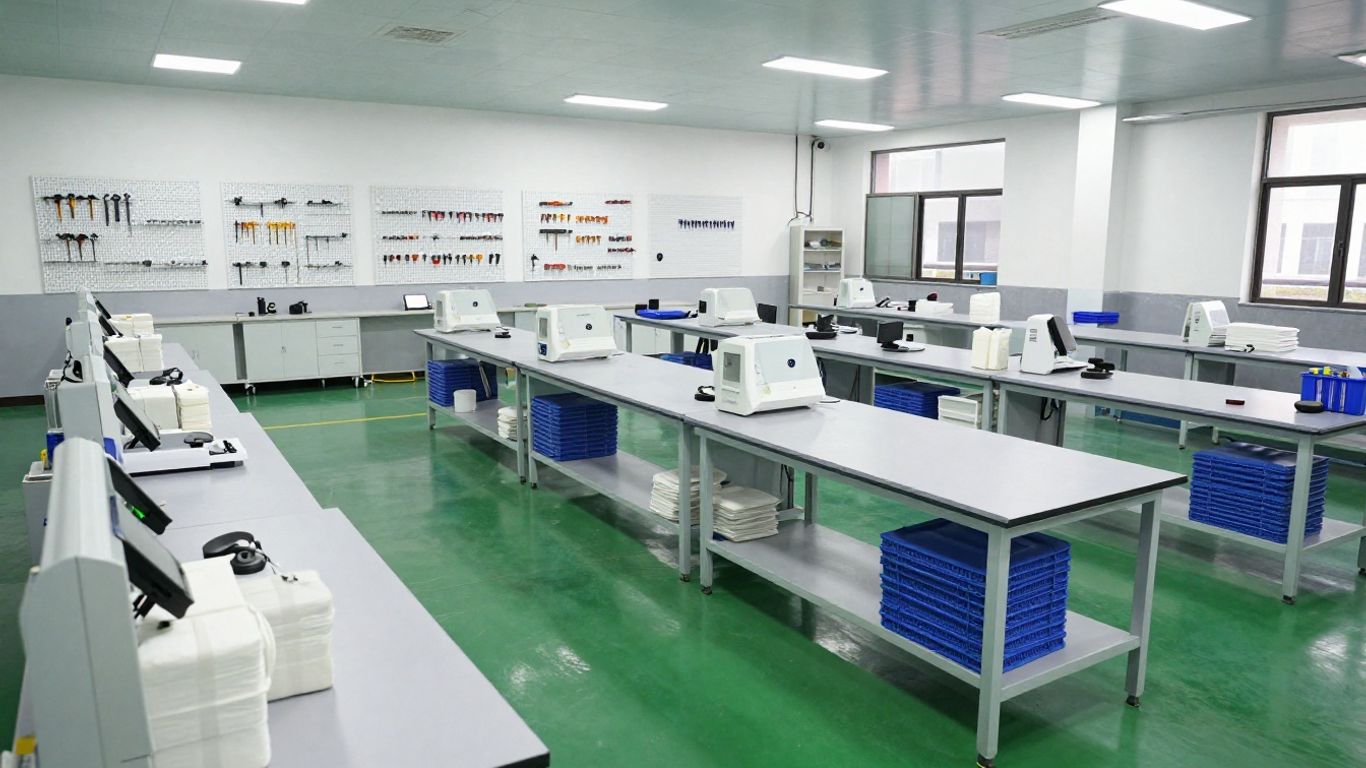
Ever wondered what makes some factories run so smoothly  It often comes down to a simple, yet powerful, system called 5S. It’s not some complex tech jargon; it’s really about making your workspace better organized and easier to work in. Think of it as tidying up your desk, but on a much bigger scale and with a specific goal: to boost how well things get done. This approach, which started in Japan, has five key steps that help businesses cut down on wasted time and effort, making everything from assembly lines to office tasks run more efficiently. Let’s break down what is 5S concept in industry and why it matters. Key Takeaways 5S Concept in Industry The 5S concept is a workplace organization method with five steps: Sort, Set in Order, Shine, Standardize, and Sustain. It originated in Japan and is a core part of Lean manufacturing, aiming to improve efficiency and reduce waste. Implementing 5S leads to a more organized, cleaner, and safer work environment. By making tools and materials easily accessible, 5S reduces time spent searching and increases productivity. The system helps establish consistent work practices and fosters a culture of continuous improvement. 1. Seiri Alright, let’s kick things off with the first ‘S’ in our 5S journey: Seiri, or Sort. Think of this as the big decluttering phase for your workspace. The main idea here is to get rid of anything that isn’t absolutely necessary for the job at hand. We’re talking about making space, both physically and mentally, for what truly matters. Why bother with this? Well, having too much stuff lying around is a productivity killer. It makes it harder to find things, increases the risk of accidents, and just generally makes the place feel chaotic. Seiri helps us cut through that noise. Here’s a breakdown of how you might approach the sorting process: Identify everything in your work area. Don’t skip anything, from the biggest machine down to the smallest screw. Categorize items as necessary, unnecessary, or questionable. For those questionable items, maybe set up a ‘red tag’ area where they can be stored temporarily while you decide their fate. Remove the unnecessary items. This could mean throwing them away, recycling them, selling them, or relocating them to a more appropriate storage spot. It might seem simple, but this step is foundational. Without a clear understanding of what you actually need, the other steps in the 5S system become much harder to implement effectively. It’s about creating a clean slate, so to speak. You can find more on the initial steps of the 5S methodology if you want to get a head start. The goal of Seiri isn’t just to tidy up; it’s to fundamentally change how we interact with our work environment by being deliberate about what stays and what goes. This conscious decision-making process is key to long-term efficiency. 2. Seiton Alright, so after you’ve gone through and gotten rid of all the junk with Seiri (Sort), the next logical step is Seiton, or ‘Set in Order’. This is where things start to get really organized. The main idea here is pretty simple: a place for everything, and everything in its place. Think about it – how much time do you waste looking for that one specific tool or that report you know you put down somewhere? Seiton aims to kill that wasted time. It’s not just about shoving things onto shelves, though. It’s about arranging items so they’re easy to find, easy to use, and easy to put back. This often involves using visual cues. We’re talking labels, outlines on tool boards, floor markings, and color-coding. The goal is to make it super obvious where things belong. If someone new walks into the area, they should be able to figure out where stuff goes without asking. Here’s a quick breakdown of how to approach Seiton: Location, Location, Location: Decide where items should be stored based on how often they’re used. Frequently used items go close by, less used items can be further away. Clear Labeling: Every item and every storage spot needs a clear label. No guessing allowed. Visual Aids: Use outlines, shadow boards, or floor tape to show exactly where tools and equipment should be placed. This makes it easy to see if something is missing or out of place. Ergonomics Matter: Arrange things so they are easy to reach and handle, reducing strain and potential injuries. This step is all about making your workspace work for you. It’s about creating a system that supports efficiency and reduces the mental load of constantly searching. Getting this right makes the subsequent steps, like Shine and Standardize, much easier to manage. It’s a core part of creating a more effective lean management practice. 3. Seiso Alright, so after we’ve sorted out what we need and put everything in its proper place, the next logical step is to get things clean. This is where Seiso, or ‘Shine,’ comes in. It’s not just about making the place look nice, though that’s a good bonus. The real point here is to clean thoroughly and, while you’re at it, to spot any problems. Think about it: when a machine is covered in grease and grime, you might not notice a small leak or a worn-out part. But once it’s clean, those issues become obvious. This step is about making your workspace shine, not just for aesthetics, but for functionality and safety. It’s about finding those little problems before they turn into big, expensive ones. This is a core part of the 5S workplace organization method. Here’s what Seiso really involves: Thorough Cleaning: This means going beyond a quick sweep. Get into corners, under equipment, and clean all surfaces. Every tool, machine, and area should be spotless. Inspection During Cleaning: As you clean, actively look for anything out of the ordinary. This could be cracks, loose parts, unusual wear, or any signs of damage. Identifying Root Causes: If you find a problem, don’t just fix it. Try to figure out why it happened. Was it poor design? Lack of maintenance? Incorrect usage? Addressing the cause prevents it from happening again. Making … Read more
Implementing 5s in the workplace examples Manufacturing for Success

5s in the workplace examples

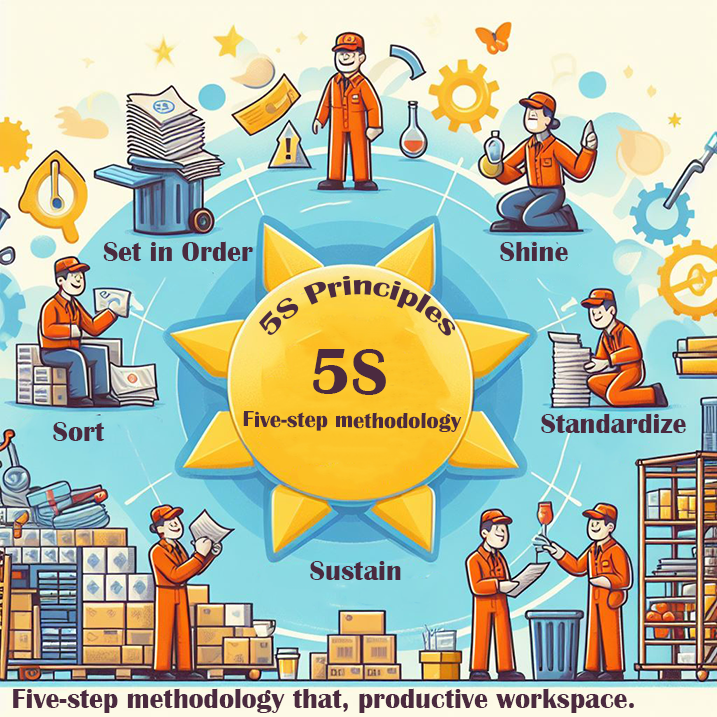
Introduction Manufacturing processes are known for complex operations that require a high level of organization and efficiency to ensure smooth production and quality output. The 5S methodology has become one of the popular approaches used in the manufacturing industry to organize the workplace and eliminate waste while improving overall efficiency. The methodology is built on five key principles that include Sort, Set in Order, Shine, Standardize, and Sustain. When followed, the 5S principles create a clean, organized, and safe working environment that attains high productivity and quality. The 5S originated from the Toyota Motor Company explicitly the buzz surrounding the Toyota Production System. Toyota’s adoption and success of the 5S methodology These examples of successful 5S implementation inspired other companies, both in and out of the manufacturing industry, to implement these methods. At present, the 5S methodology is applied across industries, including healthcare, retail, hospitality, and education. Specifically, in this blog, we will cover the following: the 5S methodology’s details, especially when it comes to its application in the manufacturing process; the history of the 5S methodology; 5S’s 5 steps; real-life examples; setbacks faced and guides proposed for maintaining these measures and improving them in the long run. Upon completion of this blog, the reader will obtain a complete understanding of the 5S methodology and its benefits when applied in manufacturing. Key Highlights The 5S methodology is a systematic approach to organizing workplaces and efficiency in manufacturing processes The 5S framework consists of five key principles: Sort, Set in Order, Shine, Standardize, and Sustain The 5S originated from Toyota Motor Company and has been widely adopted in various industries Implementing 5S practices can lead to waste reduction, improved productivity, a safer work environment, and standardized procedures 5S can be applied to industries beyond manufacturing, including healthcare, retail, hospitality, and education Understanding the 5S Framework in Manufacturing The 5S framework is a cornerstone of lean manufacturing and the Toyota Production System (TPS). It is a systematic approach to organizing workplaces and improving efficiency in manufacturing processes. The five key principles of the 5S methodology are Sort, Set in Order, Shine, Standardize, and Sustain. These principles aim to eliminate waste, improve flow, and create a safe and organized work environment. 5s in the workplace examples By implementing the 5S framework, companies can achieve continuous improvement and maximize productivity in their manufacturing operations. The Origin and Evolution of  5s in the workplace examples The 5S methodology originated from the Toyota Motor Company in Japan and was a fundamental part of their renowned Toyota Production System (TPS). The TPS, developed by Toyota in the post-war era, revolutionized manufacturing processes by emphasizing efficiency, waste reduction, and continuous improvement. The 5S methodology was further developed and popularized by Shigeo Shingo, a renowned industrial engineer and one of the key architects of TPS. Shingo’s work focused on streamlining processes and eliminating waste through various lean manufacturing techniques, including the 5S methodology. His contributions to lean manufacturing have had a profound impact on the industry, and the 5S methodology has become a widely adopted practice in manufacturing processes worldwide. Today, companies from various industries integrate the 5S methodology into their operations to improve efficiency, reduce waste, and create a more organized and productive work environment. Core Principles of the 5S Methodology The 5S methodology consists of five core principles: Sort, Set in Order, Shine, Standardize, and Sustain. 5s in the workplace examples These principles provide a systematic approach to organizing workplaces and promoting efficiency. Sort (Seiri): The first step in the 5S methodology is to sort through all items in the workplace and eliminate unnecessary items. This process helps declutter the work environment and remove anything that is not essential for daily operations. Sorting enables employees to focus on the essential items and eliminates unnecessary distractions. Set in Order (Seiton): After sorting, the next step is to organize the remaining items in a logical and systematic way. This involves assigning specific locations for each item, ensuring easy accessibility and efficient workflow. Implementing visual cues, such as labels and shadow boards, can further enhance organization and streamline processes. Shine (Seiso): The shine step focuses on cleaning and maintaining a clean work environment. Regular cleaning ensures a safe and hygienic workplace and helps prevent potential hazards and accidents. It also promotes a sense of pride and ownership among employees, leading to increased productivity. Standardize (Seiketsu): Standardization involves establishing consistent procedures and guidelines for organizing, cleaning, and maintaining the workplace. Standardizing processes ensures that everyone follows the same practices, leading to increased efficiency and reduced variability. Sustain (Shitsuke): The final step is to sustain the improvements achieved through the 5S methodology.This requires ongoing commitment from all employees to maintain the organized and clean work environment. Regular audits, training, and continuous improvement efforts are essential to sustain the benefits of the 5S methodology. By implementing the 5S methodology and adhering to these core principles, companies can optimize their manufacturing processes, improve productivity, and create a safer work environment. The First S: Sort – Decluttering the Manufacturing Floor The first step of the 5S methodology is Sort, which involves decluttering the manufacturing floor by eliminating unnecessary items. 5s in the workplace examples This step is crucial in creating a clean and organized work environment that promotes efficiency and reduces waste. During the Sort step, employees are encouraged to evaluate each item in their work area and determine whether it is essential for daily operations. Unnecessary items, such as unused equipment, excess inventory, or outdated documents, are identified and removed. The use of red tags is a common practice during this step. Items that are deemed unnecessary but may have future use are tagged with a red tag and placed in a designated area. After a specified period, if the items are not needed, they are permanently removed from the workspace. Decluttering the manufacturing floor has several benefits. It reduces distractions, improves workflow, and increases overall efficiency. By eliminating unnecessary items, employees can focus on their tasks and work in a more organized … Read more