
How does the engine oil pump work

How does the engine oil pump work

The Humble Hero Between Your Wheels – The Importance of Your Oil Pump Assembly How does the engine oil pump work We’ve all heard that oil is the lifeblood of an engine, but have you ever stopped to think about what’s responsible for circulating that precious fluid? It’s the oft-overlooked oil pump assembly – an unsung hero that works tirelessly behind the scenes to keep your engine healthy. In this post, I’ll take a deeper look at this crucial component and share some tips for keeping it in tip-top shape. Components of an Oil Pump Assembly How does the engine oil pump work At its most basic level, an oil pump assembly consists of just a few key parts – a pump body, a pump rotor or gears, and a pump cover. But within this simplicity lies the power to move gallons of oil through your engine with each revolution of the crankshaft. The pump body forms the main housing and contains the inner workings. Mounted inside is the driven gear, which engages with teeth on the crankshaft or camshaft to turn the rotor or gears. These rotating elements are what actually pump the oil, drawing it in through the inlet and pushing it out under pressure through the outlet. Seals ensure no oil leaks out where it shouldn’t. And the cover plate, as the name suggests, covers and encloses the entire assembly. Other optional extras can include relief valves, pick-up tubes, and screen filters – but the core elements are the body, gears, and cover. Types of Oil Pump Assemblies There are a few different designs for oil pumps, with the most common being: Gear pumps – These use intermeshing gears rather than a rotor to pump the oil. They tend to be more durable but produce less pressure. Gerotor pumps – A stepped rotor turning inside an eccentric housing is the pumping mechanism in these. They provide higher pressures than gear pumps. Internal rotor pumps – Found in many modern engines, these feature a single rotating inner rotor turning inside a fixed outer ring to draw and push out oil. Your specific vehicle and engine type will dictate which style is installed, but they all operate on the same basic principles to fulfill that vital duty of circulating engine oil. How does the engine oil pump work The process is beautifully simple. As the engine runs, the crankshaft or camshaft turns the rotor or gears inside the pump body. This causes a drop in pressure on one side, drawing oil in from the pickup tube connected to the sump or oil pan. The rotating parts then squeeze and pump this oil out under pressure through the outlet port and into the engine’s galleries, jets, and passages where it’s distributed to vital components like the camshaft, lifters, and of course the main bearings. From there, the oil is sprayed onto metal contacting surfaces to lubricate and cool them. It also cleans by flushing away contaminants before draining back to the sump through oil return holes ready to start its journey again. All in all, a well-designed oil pump can complete this cycle dozens of times per minute, constantly refreshing the supply of fresh lubricant being pumped through the engine. It’s a beautiful symphony of moving parts keeping your motor singing in perfect tune. Common Issues and Troubleshooting Tips No component is immune to wear, and over time and miles an oil pump can begin to falter. Low oil pressure – If the gauge suddenly drops or the warning light comes on, it’s a sign of pump failure. Oil leaks – Check for weeps around seals that could point to wear. A major leak calls for pump replacement. Noise – A knocking, whining or other unusual noise from the timing cover area may mean it’s time for a new pump. Hard starting – A weak pump struggling to circulate oil properly can cause cranking issues. Premature wear – An underperforming pump leads to a lack of lubrication and accelerated component degradation. The first step if issues are suspected is usually an oil pressure test. Replacing the pump is often the cure, but first consider checking for obstructed pickup screens or lines, worn bearings in the drive system, or air in the oil that can also cause pressure drops. Maintenance and Care for an Oil Pump Assembly (How does the engine oil pump work) To keep your trusty oil pump soldiering on strong for as long as possible, focus on maintenance best practices like: Change the oil and filter regularly as directed. This removes sludge and keeps the pump swimming in clean lubricant. Inspect oil regularly and top up between changes if needed. Running low promotes wear. Use only the viscosity and type of oil recommended by the manufacturer. Listen for changes during regular engine checks. Catch problems early. Conclusion While often overlooked, the oil pump assembly plays a vital role in maintaining engine health through its diligent work circulating life-giving oil. By understanding its components and function, catching issues early, and providing regular maintenance TLC, you can keep your trusty pump soldiering on for many miles to come. Never underestimate the importance of this humble hero between your wheels! FAQ Frequently Asked Question What is an oil pump assembly? The oil pump assembly is a component in an engine that circulates engine oil to lubricate and cool internal parts. It draws oil from the oil pan and pumps it under pressure to the rest of the engine. What are the main parts of an oil pump assembly? The main parts are the pump body, pump rotor or gears, and pump cover. The pump body houses the internal parts, the rotor or gears rotate to draw in and pump out oil, and the cover seals it all in. Seals and optional extras like filters can also be included. What types of oil pump assemblies are common? The main types are gear pumps, gerotor pumps, and internal rotor pumps. Gear pumps … Read more
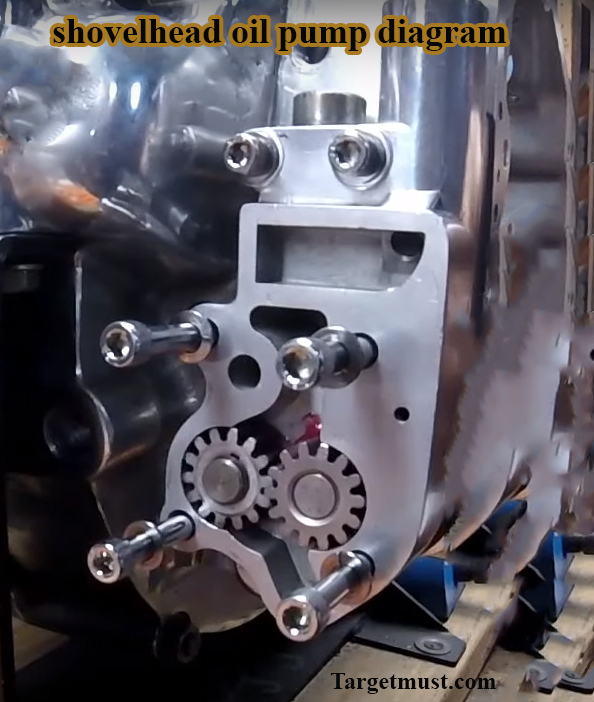
Exploring the Inner Workings of a Shovelhead Oil Pump: Detailed Diagram Analysis

shovelhead oil pump diagram

10 Tips for Maintaining Your Shovelhead Oil Pump If you own a Harley-Davidson Shovelhead bike, that maintaining the oil pump is crucial for its durability and overall performance. shovelhead oil pump diagram Right here are 10 pointers for retaining your Shovelhead oil pump diagram in top circumstance: Change the oil and filter regularly – this is the most important thing of retaining your oil pump. Test the oil pressure regularly – low oil pressure can reason damage to your engine. Use brilliant oil – the use of reasonably-priced or low-best oil can motive harm in your engine. Hold the oil stage constant – too much or too little oil can reason damage on your engine. Take a look at the oil traces for leaks – leaks can motive oil hunger and harm on your engine. Investigate the oil pump gears – worn or damaged gears can purpose low oil stress and harm in your engine. Clean the oil pump display screen – a clogged screen can cause low oil strain and harm for your engine. Use a notable oil pump – a low-first-rate oil pump can motive low oil pressure and damage to your engine. Preserve the oil pump well lubricated – loss of lubrication can motive harm for your engine. Don’t forget about warning signs and symptoms – if you be aware any unusual noises or a drop in oil stress, take your motorbike to a mechanic at once. Through following these pointers, you can make certain that your Shovelhead oil pump is well maintained and your motorbike runs smoothly for plenty miles to return.   What Are the Benefits of Using a Shovelhead Oil Pump? A Shovelhead oil pump is a crucial a part of a motorcycle’s engine, and it performs a vital role in retaining the engine’s fitness. The oil pump is liable for circulating oil during the engine, ensuring that all the transferring components are lubricated and functioning successfully. There are several blessings of the usage of a Shovelhead oil pump, which we can discover in this text. The first advantage of the use of a Shovelhead oil pump diagram is that it helps to enhance the engine’s overall performance. As referred to earlier, the oil pump guarantees that all the transferring parts of the engine are well lubricated. This allows lessening friction between the components, which in turn reduces put on and tearing. With much less friction, the engine can operate at a higher degree of performance, resulting in better performance. Every other benefit of the use of a Shovelhead oil pump is that it may help to extend the life of the engine. By way of ensuring that all the shifting components are properly lubricated, the oil pump allows to reduce the quantity of wear and tear and tear that occurs over time. This could assist to extend the life of the engine, permitting you to experience your motorcycle for longer. Subsequently, the use of a Shovelhead oil pump can assist to reduce the risk of engine failure. With right lubrication, the engine is less probable to enjoy any catastrophic screw ups, together with a seized engine. This will save you lots of cash on upkeep and ensure that you could keep experiencing your motorcycle adequately.   Importance of the shovelhead oil pump diagram in engine performance The oil pump is a vital element of any engine, because it ensures that the engine’s transferring components are properly lubricated. Without proper lubrication, the engine can be afflicted by a number of troubles, such as improved friction, overheating, and even seizure. As such, the oil pump performs an essential role in retaining engine performance. Readmore >>>>>> What is the working pressure of a gear pump The oil pump is responsible for circulating oil during the engine, ensuring that each one shifting components are well lubricated. This consists of the engine’s bearings, pistons, and camshaft, among different additives. With the aid of supplying a continuous supply of oil, the oil pump allows to lessen friction and warmth, that can considerably enhance engine overall performance. Further to lubrication, the oil pump also enables to remove warmth from the engine. As oil circulates during the engine, it absorbs heat and consists of it far from the transferring parts. This enables to prevent overheating and might improve the engine’s basic performance. Overall, the oil pump is a vital aspect of any engine, and its proper feature is crucial for keeping engine overall performance. By way of offering proper lubrication and getting rid of warmth, the oil pump allows to lessen friction, save you overheating, and make sure that the engine operates easily and efficiently. How the pump operates within the engine system The pump plays an essential role inside the engine device through making sure that the engine has a sufficient supply of fluids to feature nicely. There will one of a kind forms of pumps utilized in an engine machine, but the most not unusual ones are the oil pump, water pump, and gasoline pump. The oil pump is chargeable for circulating oil at some point of the engine to lubricate its moving components and reduce friction. The oil will drawn from the oil pan and driven through the oil filter before being disbursed to exclusive parts of the engine. The water pump, then again, circulates coolant for the duration of the engine to adjust its temperature. It attracts in cool coolant from the radiator and pushes it via the engine block and cylinder head to soak up heat. The heated coolant will then again to the radiator to cooled and the cycle repeats. Ultimately, the fuel pump is liable for turning in fuel from the tank to the engine. It attracts in gasoline thru a strainer before sending it via a gasoline filter and into the engine. Modern-day engines use electric gasoline pumps which can managed through the engine’s pc to make sure the precise amount of gasoline will brought for gold standard overall performance. Ordinary, the … Read more