
How does the engine oil pump work

How does the engine oil pump work

The Humble Hero Between Your Wheels – The Importance of Your Oil Pump Assembly How does the engine oil pump work We’ve all heard that oil is the lifeblood of an engine, but have you ever stopped to think about what’s responsible for circulating that precious fluid? It’s the oft-overlooked oil pump assembly – an unsung hero that works tirelessly behind the scenes to keep your engine healthy. In this post, I’ll take a deeper look at this crucial component and share some tips for keeping it in tip-top shape. Components of an Oil Pump Assembly How does the engine oil pump work At its most basic level, an oil pump assembly consists of just a few key parts – a pump body, a pump rotor or gears, and a pump cover. But within this simplicity lies the power to move gallons of oil through your engine with each revolution of the crankshaft. The pump body forms the main housing and contains the inner workings. Mounted inside is the driven gear, which engages with teeth on the crankshaft or camshaft to turn the rotor or gears. These rotating elements are what actually pump the oil, drawing it in through the inlet and pushing it out under pressure through the outlet. Seals ensure no oil leaks out where it shouldn’t. And the cover plate, as the name suggests, covers and encloses the entire assembly. Other optional extras can include relief valves, pick-up tubes, and screen filters – but the core elements are the body, gears, and cover. Types of Oil Pump Assemblies There are a few different designs for oil pumps, with the most common being: Gear pumps – These use intermeshing gears rather than a rotor to pump the oil. They tend to be more durable but produce less pressure. Gerotor pumps – A stepped rotor turning inside an eccentric housing is the pumping mechanism in these. They provide higher pressures than gear pumps. Internal rotor pumps – Found in many modern engines, these feature a single rotating inner rotor turning inside a fixed outer ring to draw and push out oil. Your specific vehicle and engine type will dictate which style is installed, but they all operate on the same basic principles to fulfill that vital duty of circulating engine oil. How does the engine oil pump work The process is beautifully simple. As the engine runs, the crankshaft or camshaft turns the rotor or gears inside the pump body. This causes a drop in pressure on one side, drawing oil in from the pickup tube connected to the sump or oil pan. The rotating parts then squeeze and pump this oil out under pressure through the outlet port and into the engine’s galleries, jets, and passages where it’s distributed to vital components like the camshaft, lifters, and of course the main bearings. From there, the oil is sprayed onto metal contacting surfaces to lubricate and cool them. It also cleans by flushing away contaminants before draining back to the sump through oil return holes ready to start its journey again. All in all, a well-designed oil pump can complete this cycle dozens of times per minute, constantly refreshing the supply of fresh lubricant being pumped through the engine. It’s a beautiful symphony of moving parts keeping your motor singing in perfect tune. Common Issues and Troubleshooting Tips No component is immune to wear, and over time and miles an oil pump can begin to falter. Low oil pressure – If the gauge suddenly drops or the warning light comes on, it’s a sign of pump failure. Oil leaks – Check for weeps around seals that could point to wear. A major leak calls for pump replacement. Noise – A knocking, whining or other unusual noise from the timing cover area may mean it’s time for a new pump. Hard starting – A weak pump struggling to circulate oil properly can cause cranking issues. Premature wear – An underperforming pump leads to a lack of lubrication and accelerated component degradation. The first step if issues are suspected is usually an oil pressure test. Replacing the pump is often the cure, but first consider checking for obstructed pickup screens or lines, worn bearings in the drive system, or air in the oil that can also cause pressure drops. Maintenance and Care for an Oil Pump Assembly (How does the engine oil pump work) To keep your trusty oil pump soldiering on strong for as long as possible, focus on maintenance best practices like: Change the oil and filter regularly as directed. This removes sludge and keeps the pump swimming in clean lubricant. Inspect oil regularly and top up between changes if needed. Running low promotes wear. Use only the viscosity and type of oil recommended by the manufacturer. Listen for changes during regular engine checks. Catch problems early. Conclusion While often overlooked, the oil pump assembly plays a vital role in maintaining engine health through its diligent work circulating life-giving oil. By understanding its components and function, catching issues early, and providing regular maintenance TLC, you can keep your trusty pump soldiering on for many miles to come. Never underestimate the importance of this humble hero between your wheels! FAQ Frequently Asked Question What is an oil pump assembly? The oil pump assembly is a component in an engine that circulates engine oil to lubricate and cool internal parts. It draws oil from the oil pan and pumps it under pressure to the rest of the engine. What are the main parts of an oil pump assembly? The main parts are the pump body, pump rotor or gears, and pump cover. The pump body houses the internal parts, the rotor or gears rotate to draw in and pump out oil, and the cover seals it all in. Seals and optional extras like filters can also be included. What types of oil pump assemblies are common? The main types are gear pumps, gerotor pumps, and internal rotor pumps. Gear pumps … Read more
What is the working pressure of a gear pump

What is the working pressure of a gear pump

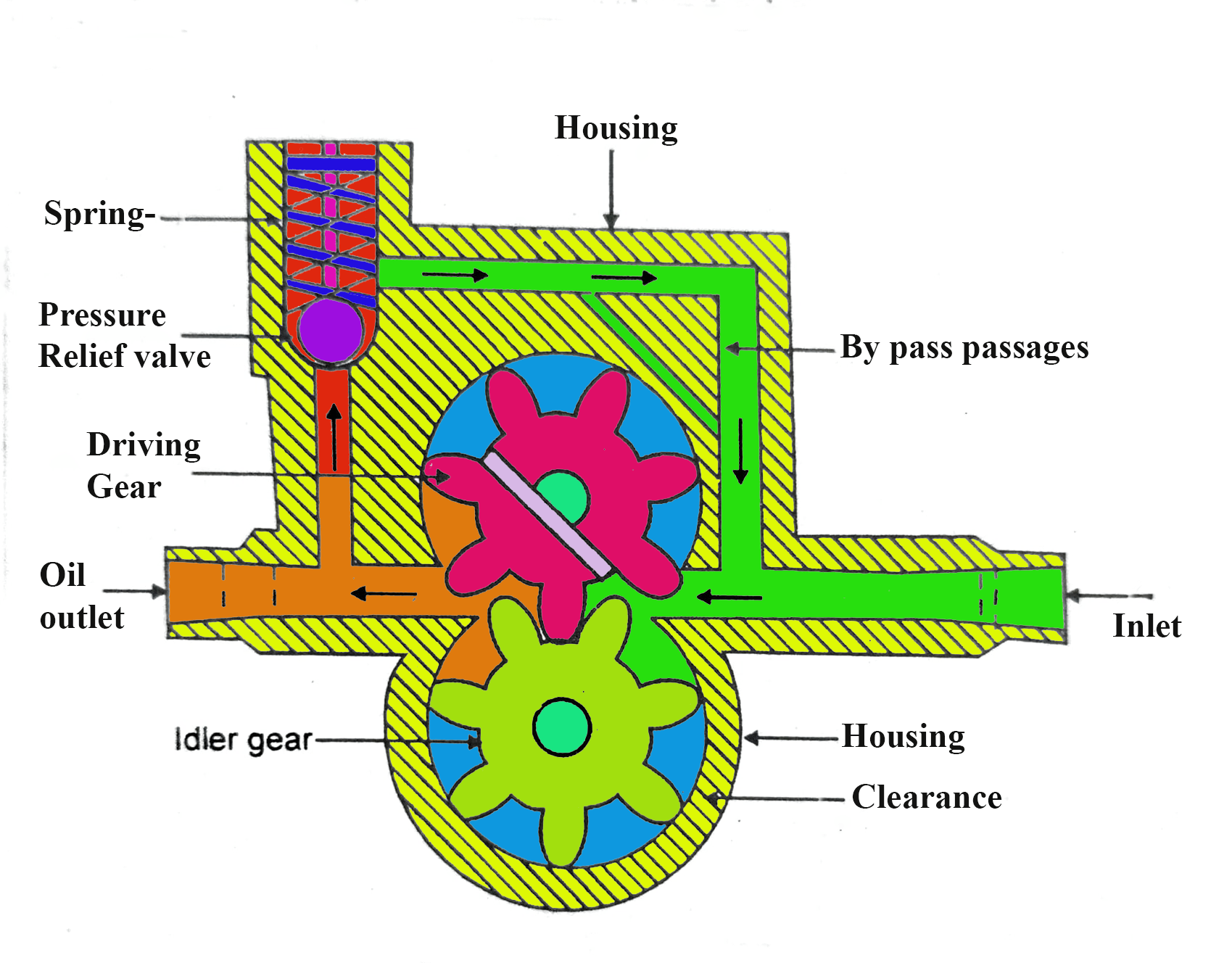
How does a gear pump work? Gear pumps use the action of rotating teeth or gears to move fluids. The rotating element forms a fluid seal with the pump body and creates suction at the pump inlet. What is the working pressure of a gear pump Fluid drawn into the pump is trapped in the cavities of its rotating gears and transferred to the discharge. There are two basic designs of gear tubes: external and internal. What is the working pressure of a gear pump In the external perfection tools pumps. the standard operating stress can limited to 210 bars( 21,000 kPa) and a most rotational haste of 3,000 rpm. Still, some directors have finagled gear pumps. that surpass these thresholds both pressure and speed. Yet, it’s important to admit that similar pumps tend to induce.  further noise and need unique safety measures.   Gear pumps are an essential element in colorful diligence, from hydraulic. What is the working pressure of a gear pump systems to oil painting refineries and chemical processing shops. They play a vital part in pumping and transferring. fluids with perfection and effectiveness. But, one pivotal aspect that determines. Their performance is the working pressure they can handle. Understanding the working pressure of a gear pump is essential for icing. its optimal operation and precluding implicit damage or failures. explore how it affects gear pump performance and bandy factors. that influence this critical parameter. What is the working pressure of a gear pump Whether you’re a mechanical mastermind or simply curious about. the inner workings of these important machines, join us on this instructional.  trip to unravel the mystifications behind gear pump working pressures. External gear pump An outside tools pump consists of two equal, interlocking gears supported via separate shafts. Typically, one gear is driven by the motor, which drives the other gear (the idler). In some cases, both shafts may be driven by a motor. The shaft is supported by bearings on each side of the casing. As the gears come out of the mesh on the inlet side of the pump, they form an expanded volume. What is the working pressure of a gear pump As the gear rotates against the pump casing fluid flows into the cavities and is trapped by the gear teeth. Entrapped fluid is transported around the casing from inlet to outlet. As the gear teeth on the discharge side of the pump engage, the volume is reduced and the liquid is discharged under pressure. There is no fluid transfer back through the hubs between the gears because they are linked together. What is the working pressure of a gear pump Close tolerances between the gears and casing allow the pump to create suction at the inlet and prevent fluid from leaking back from the discharge side (although leakage is more common with low-viscosity fluids). Internal gear pump An internal gear pump works on the same principle but has two interlocking gears of different sizes, one rotating inside the other. The large gear (rotor) is an internal gear, that is, its teeth extend inward. A small external gear (idler – only the rotor can driven) can mounted off-centre within it. It can  designed to engage the rotor so that the gear teeth engage in one step. A pinion and bushing attached to the pump casing stabilizes the idler. What is the working pressure of a gear pump A standard crescent-shaped partition or spacer fills the void created by the idler’s off-center mounting position and acts as a seal between the inlet and outlet ports. As the gears come out of the mesh on the inlet side of the pump, they form an expanded volume. As the gear rotates against the pump casing and partition the fluid flows into the cavities and can trapped by the gear teeth. Entrapped fluid can transported around the casing from inlet to outlet. As the gear teeth on the discharge side of the pump engage, What is the working pressure of a gear pump the volume can reduced and the liquid can  discharged under pressure. What are the main features and advantages of gear pump? Gear pumps are compact and simple with few moving parts. They cannot match the pressure generated by the flow rate of reciprocating pumps or centrifugal pumps, but provide higher pressure and efficiency than vane or lobe pumps. What is the working pressure of a gear pump Gear pumps are particularly suitable for pumping oil and other high viscosity liquids. In both designs, external gear pumps are able to maintain higher pressures (up to 3000 psi) and flow rates due to more rigid shaft supports and closer tolerances. Internal gear pumps have excellent suction capabilities and are suitable for high viscosity fluids, although their effective operating range is from 1cP to 1,000,000cP. Because the output can directly proportional to the rotational speed, gear pumps can commonly used for metering and mixing operations. What is the working pressure of a gear pump Gear pumps can designed to handle aggressive fluids. They can  usually made of cast iron or stainless steel, new alloys and compounds allow pumps to handle corrosive liquids such as sulfuric acid, sodium hypochlorite, ferric chloride and sodium hydroxide. External gear pumps can used in hydraulic power applications, typically in vehicles, lifting machines and mobile plant equipment. Driving the gear pump in reverse, using oil pumped from elsewhere in the system (usually by a tandem pump on the engine), creates a hydraulic motor. What is the working pressure of a gear pump It is especially useful for providing power in areas where electrical equipment is bulky, expensive or inconvenient. For example, tractors rely on engine-driven external gear pumps to operate their services. What are the limitations of gear pumps? Gear pumps are self-priming and dry-lifting, although their priming characteristics improve when the gears wet. Gears should lubricated with pumped fluid and not run dry for long periods of time. What is the working pressure of a gear pump Some … Read more