
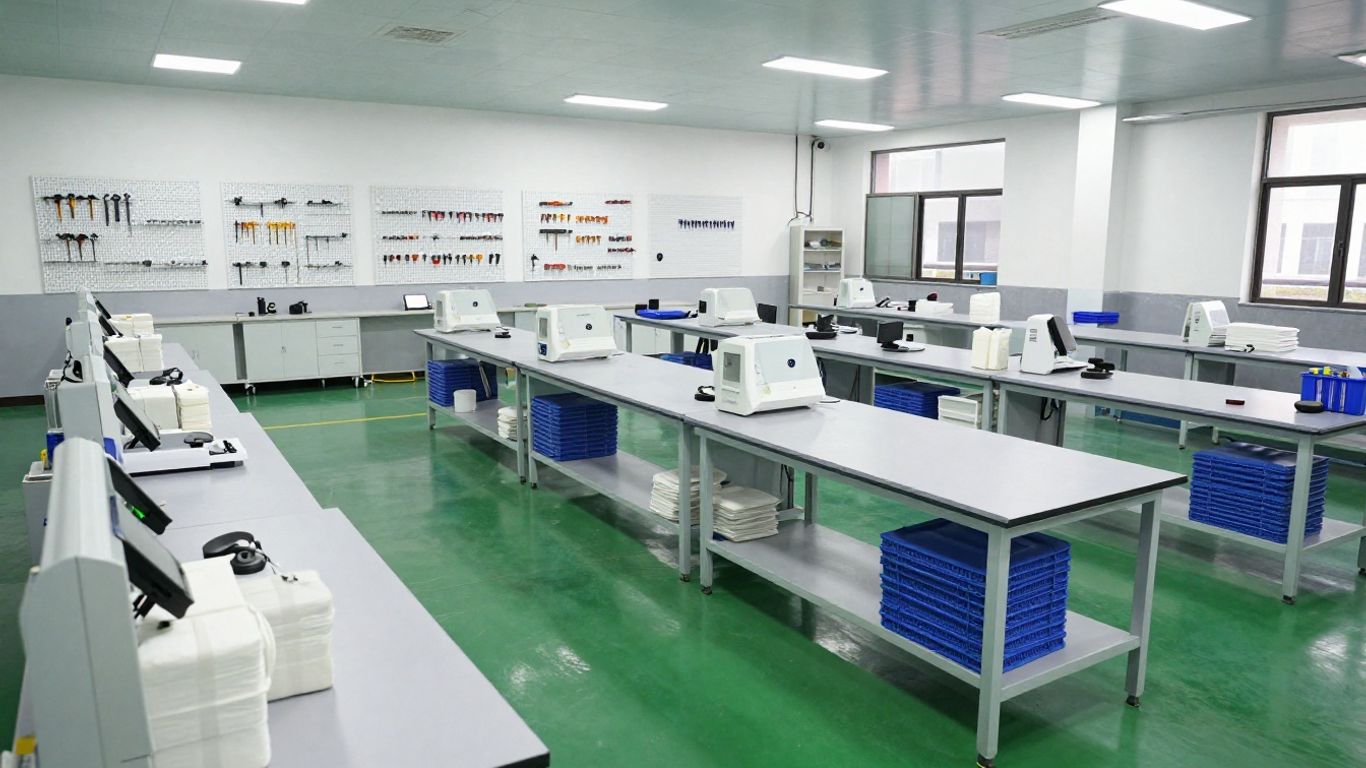
Ever wondered what makes some factories run so smoothly It often comes down to a simple, yet powerful, system called 5S. It’s not some complex tech jargon; it’s really about making your workspace better organized and easier to work in. Think of it as tidying up your desk, but on a much bigger scale and with a specific goal: to boost how well things get done. This approach, which started in Japan, has five key steps that help businesses cut down on wasted time and effort, making everything from assembly lines to office tasks run more efficiently. Let’s break down what is 5S concept in industry and why it matters.
Key Takeaways 5S Concept in Industry
- The 5S concept is a workplace organization method with five steps: Sort, Set in Order, Shine, Standardize, and Sustain.
- It originated in Japan and is a core part of Lean manufacturing, aiming to improve efficiency and reduce waste.
- Implementing 5S leads to a more organized, cleaner, and safer work environment.
- By making tools and materials easily accessible, 5S reduces time spent searching and increases productivity.
- The system helps establish consistent work practices and fosters a culture of continuous improvement.
1. Seiri
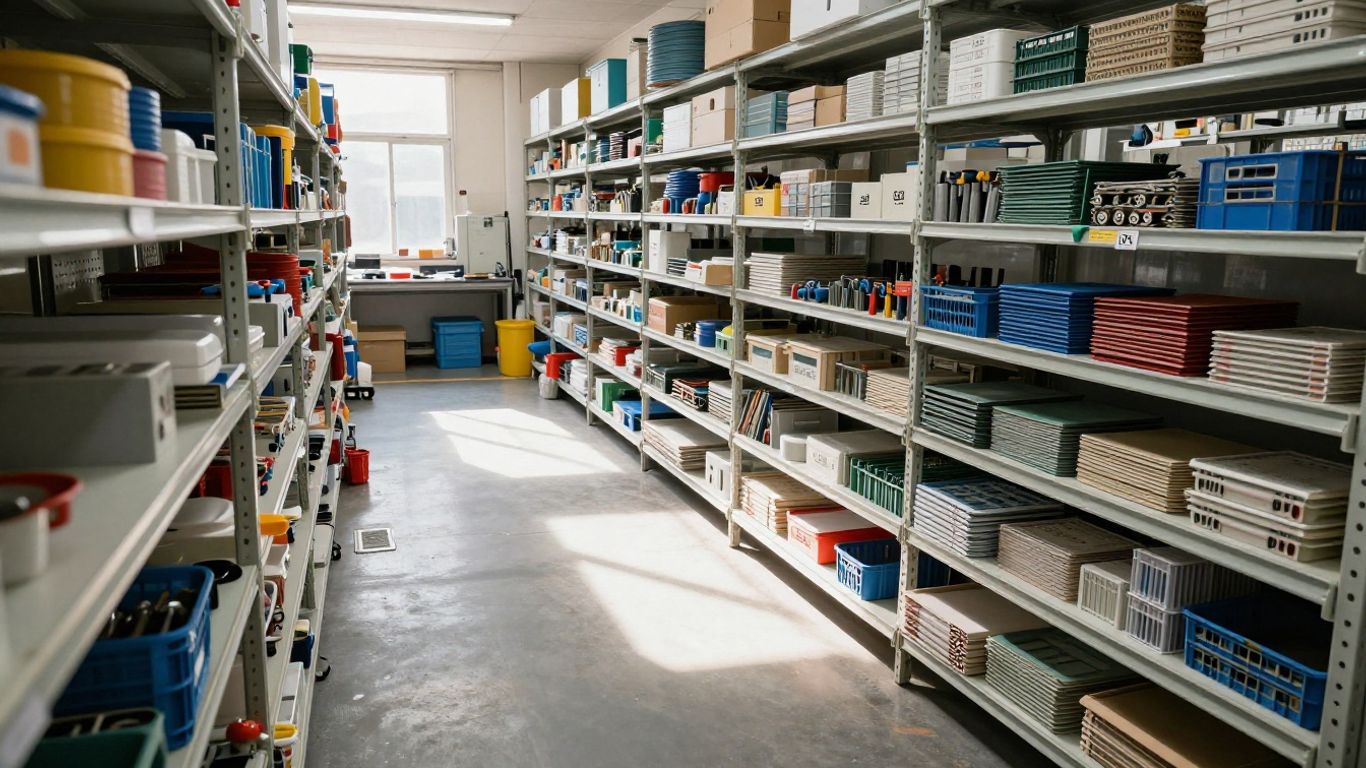
Alright, let’s kick things off with the first ‘S’ in our 5S journey: Seiri, or Sort. Think of this as the big decluttering phase for your workspace. The main idea here is to get rid of anything that isn’t absolutely necessary for the job at hand. We’re talking about making space, both physically and mentally, for what truly matters.
Why bother with this? Well, having too much stuff lying around is a productivity killer. It makes it harder to find things, increases the risk of accidents, and just generally makes the place feel chaotic. Seiri helps us cut through that noise.
Here’s a breakdown of how you might approach the sorting process:
- Identify everything in your work area. Don’t skip anything, from the biggest machine down to the smallest screw.
- Categorize items as necessary, unnecessary, or questionable. For those questionable items, maybe set up a ‘red tag’ area where they can be stored temporarily while you decide their fate.
- Remove the unnecessary items. This could mean throwing them away, recycling them, selling them, or relocating them to a more appropriate storage spot.
It might seem simple, but this step is foundational. Without a clear understanding of what you actually need, the other steps in the 5S system become much harder to implement effectively. It’s about creating a clean slate, so to speak. You can find more on the initial steps of the 5S methodology if you want to get a head start.
The goal of Seiri isn’t just to tidy up; it’s to fundamentally change how we interact with our work environment by being deliberate about what stays and what goes. This conscious decision-making process is key to long-term efficiency.
2. Seiton
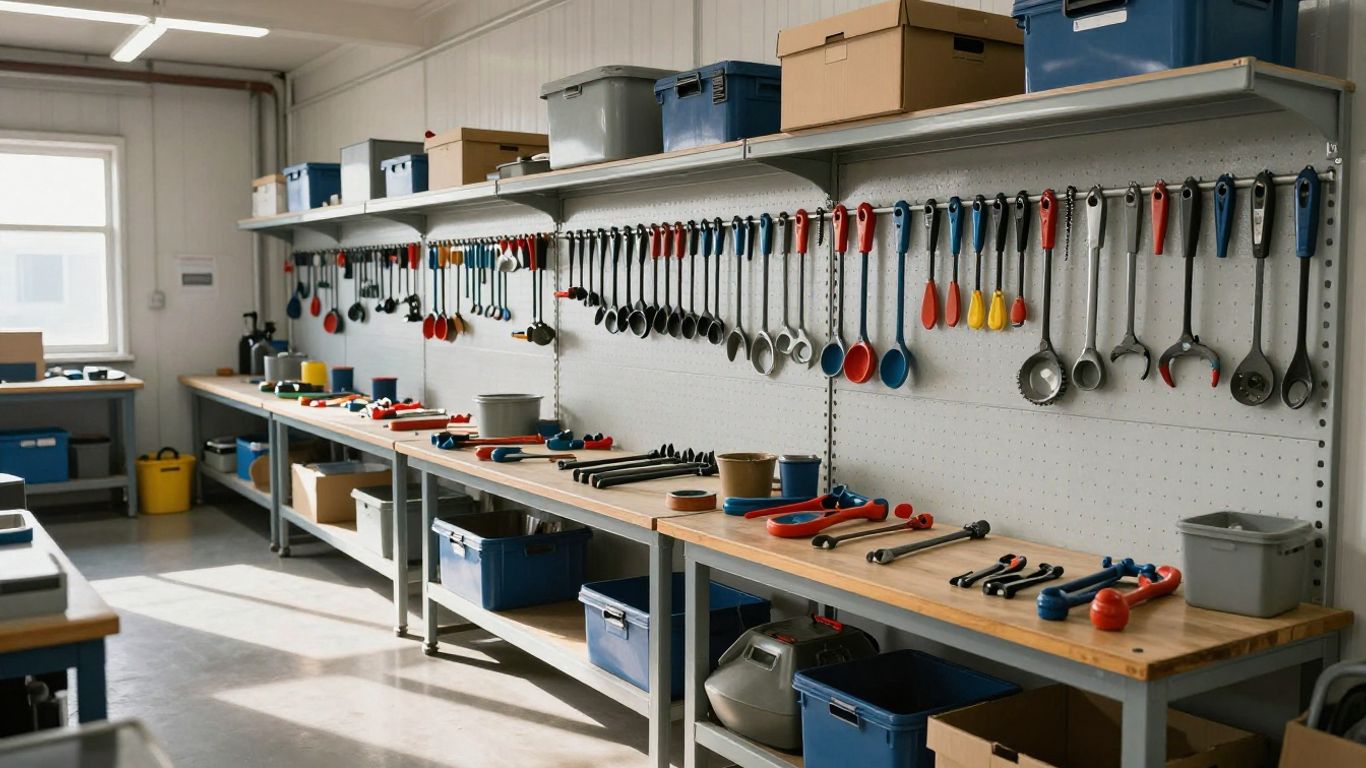
Alright, so after you’ve gone through and gotten rid of all the junk with Seiri (Sort), the next logical step is Seiton, or ‘Set in Order’. This is where things start to get really organized. The main idea here is pretty simple: a place for everything, and everything in its place. Think about it – how much time do you waste looking for that one specific tool or that report you know you put down somewhere? Seiton aims to kill that wasted time.
It’s not just about shoving things onto shelves, though. It’s about arranging items so they’re easy to find, easy to use, and easy to put back. This often involves using visual cues. We’re talking labels, outlines on tool boards, floor markings, and color-coding. The goal is to make it super obvious where things belong. If someone new walks into the area, they should be able to figure out where stuff goes without asking.
Here’s a quick breakdown of how to approach Seiton:
- Location, Location, Location: Decide where items should be stored based on how often they’re used. Frequently used items go close by, less used items can be further away.
- Clear Labeling: Every item and every storage spot needs a clear label. No guessing allowed.
- Visual Aids: Use outlines, shadow boards, or floor tape to show exactly where tools and equipment should be placed. This makes it easy to see if something is missing or out of place.
- Ergonomics Matter: Arrange things so they are easy to reach and handle, reducing strain and potential injuries.
This step is all about making your workspace work for you. It’s about creating a system that supports efficiency and reduces the mental load of constantly searching. Getting this right makes the subsequent steps, like Shine and Standardize, much easier to manage. It’s a core part of creating a more effective lean management practice.
3. Seiso
Alright, so after we’ve sorted out what we need and put everything in its proper place, the next logical step is to get things clean. This is where Seiso, or ‘Shine,’ comes in. It’s not just about making the place look nice, though that’s a good bonus. The real point here is to clean thoroughly and, while you’re at it, to spot any problems.
Think about it: when a machine is covered in grease and grime, you might not notice a small leak or a worn-out part. But once it’s clean, those issues become obvious. This step is about making your workspace shine, not just for aesthetics, but for functionality and safety. It’s about finding those little problems before they turn into big, expensive ones. This is a core part of the 5S workplace organization method.
Here’s what Seiso really involves:
- Thorough Cleaning: This means going beyond a quick sweep. Get into corners, under equipment, and clean all surfaces. Every tool, machine, and area should be spotless.
- Inspection During Cleaning: As you clean, actively look for anything out of the ordinary. This could be cracks, loose parts, unusual wear, or any signs of damage.
- Identifying Root Causes: If you find a problem, don’t just fix it. Try to figure out why it happened. Was it poor design? Lack of maintenance? Incorrect usage? Addressing the cause prevents it from happening again.
- Making Cleaning a Habit: Seiso shouldn’t be a one-off event. It needs to be integrated into the daily routine. Dedicating even a few minutes each day to cleaning and inspection makes a huge difference.
Cleaning isn’t just a chore; it’s an inspection. When you’re actively cleaning, you’re also actively looking for issues. This proactive approach helps catch problems early, saving time and resources down the line. It turns a routine task into a valuable diagnostic activity.
4. Seiketsu
Alright, so we’ve sorted out the clutter, put everything in its place, and given the workspace a good scrub. Now what? This is where Seiketsu, or Standardize, comes in. Think of it as making sure all that hard work doesn’t just disappear.
The main idea here is to create consistent ways of doing things so that the first three S’s – Seiri, Seiton, and Seiso – stick. Without standardization, it’s easy to slip back into old habits. We’re talking about making sure the organized and clean state becomes the new normal, not just a temporary fix.
How do we actually do this? Well, it usually involves a few key actions:
- Visual Management: This is huge. Think color-coded tools, clear labels on everything, floor markings to show where things go, and shadow boards for tools. The goal is for anyone walking into the area to immediately see if things are where they should be or if something’s out of place.
- Developing Procedures: We need clear, simple instructions for how to sort, organize, and clean. These aren’t complicated manuals; they’re usually short checklists or visual guides that everyone can follow.
- Regular Audits: Someone needs to check if everyone is following the standards. These aren’t about catching people doing wrong; they’re about identifying areas that need more attention or where the standards themselves might need tweaking.
Seiketsu is about building a system that supports the previous steps. It’s the bridge between a one-time cleanup and a continuously organized environment. It’s about making the right way the easy way.
For example, a workshop might create a daily checklist for each team member to ensure their workstation is cleaned and tools are returned to their designated spots. A hospital ward could use standardized cleaning schedules and visual cues to ensure all equipment is properly sanitized and stored after each use. It’s about making sure the improvements we’ve made are repeatable and visible.
5. Shitsuke
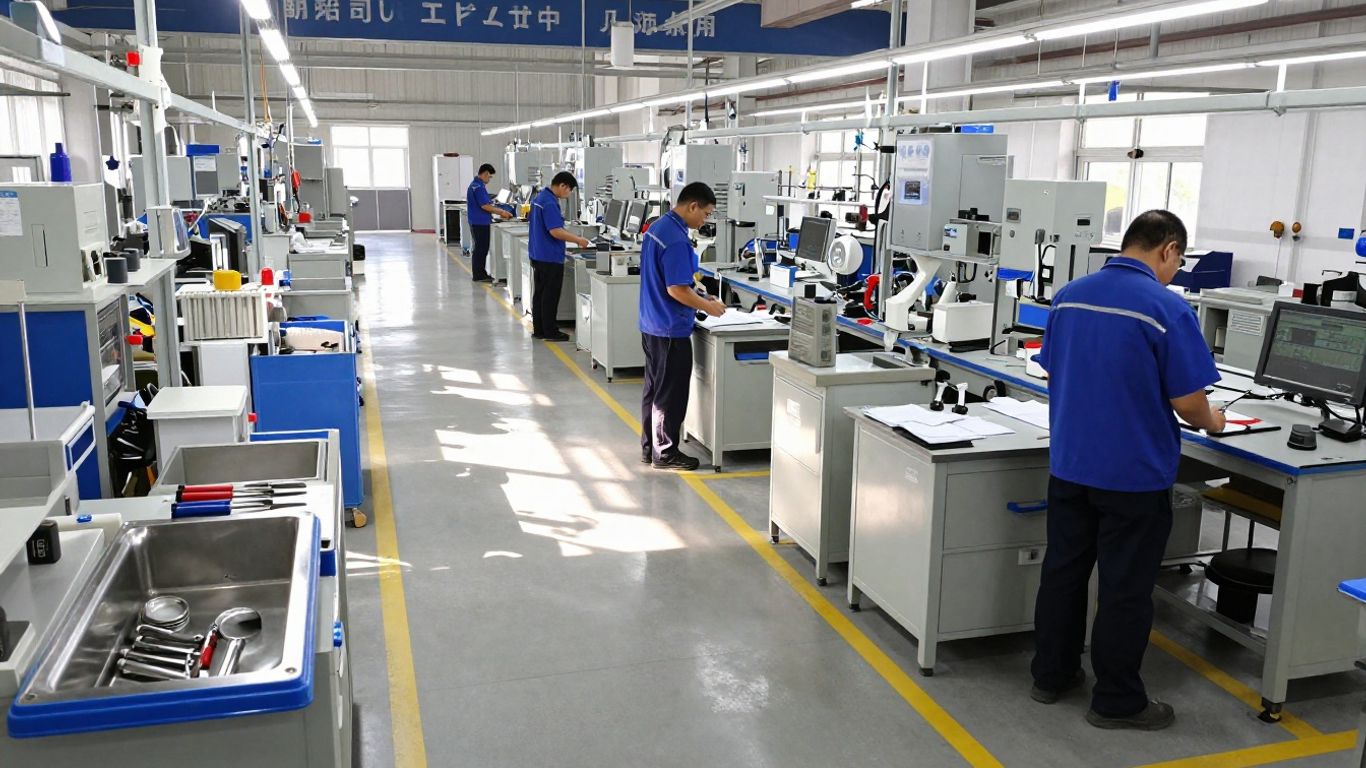
Alright, so we’ve gone through sorting, organizing, and cleaning, and we’ve made sure everything is standardized. But what happens next? That’s where Shitsuke comes in. Think of it as the glue that holds all the other 5S steps together. 5S Concept in Industry It’s all about making sure that what we’ve done doesn’t just fade away after a week or two.
Shitsuke is about building discipline and making these practices a habit. It’s not a one-time event; it’s about embedding the 5S mindset into the daily routine of everyone in the workplace. Without this step, all the hard work from Seiri, Seiton, Seiso, and Seiketsu can easily unravel, and you’ll find yourself back at square one.
Here’s how you can really make Shitsuke stick:
- Regular Check-ins: Schedule brief, frequent audits or walk-throughs. These aren’t about catching people doing things wrong, but about reinforcing the standards and offering support.
- Visual Cues: Keep using those labels, floor markings, and shadow boards. They serve as constant reminders of where things belong and how they should be.
- Training and Communication: Keep talking about 5S. New hires need to learn it, and existing employees benefit from refreshers. Make sure everyone understands why it’s important, not just what to do.
- Lead by Example: If management and team leaders don’t follow the 5S principles, why should anyone else? Consistency from the top down is key.
Shitsuke is the hardest part because it requires a change in behavior and a commitment to ongoing effort. It’s about creating a culture where maintaining an organized and efficient workspace is just part of how we do things, every single day. It’s not about perfection, but about consistent progress and self-control.
It might sound like a lot, but when you get it right, the workplace just runs smoother. Things are easier to find, there’s less confusion, and people generally feel better about where they work. It’s the sustain part that makes the whole 5S system truly work in the long run.
6. Sort
Alright, let’s talk about the first ‘S’ in the 5S system: Sort, or Seiri as it’s known in Japanese. This is where we really start to declutter. Think of it like cleaning out your garage – you wouldn’t keep every single thing you’ve ever owned, right? Same idea here.
The main goal of sorting is to figure out what you actually need in your workspace and what’s just taking up space. We’re talking about tools, materials, documents, even old equipment. If it’s not used regularly, or if it’s broken, it probably needs to go.
Here’s a simple way to approach it:
- Identify everything in your work area. Seriously, look at every shelf, every drawer, every corner.
- Categorize items based on how often you use them. Things used daily go in one pile, weekly in another, monthly in a third, and rarely used items get their own special pile.
- Decide the fate of each item. Can it be thrown away? Repaired? Stored somewhere else? Or is it truly essential for daily operations?
The key is to be ruthless. Keeping too much stuff just creates more work and makes it harder to find what you actually need. It’s about making space for efficiency.
We’re not just tidying up; we’re making deliberate choices about what supports our work and what hinders it. This isn’t about throwing away perfectly good items, but about removing the excess that distracts and slows us down. It’s a critical step towards a more organized and productive environment.
7. Set in Order
After you’ve gone through and gotten rid of all the unnecessary stuff in the first step (Seiri), it’s time to figure out where everything that’s left should actually go. This is the core of Seiton, or ‘Set in Order’. The main idea here is pretty simple: a place for everything, and everything in its place.
Think about it like your kitchen. You wouldn’t just toss your pots and pans anywhere, right? You have a spot for them, maybe a drawer for utensils, and a shelf for spices. Seiton applies that same logic to the workplace. It’s about arranging items so they are easy to find, easy to use, and easy to put back.
Here’s how you can approach it:
- Designate specific locations: Every tool, piece of equipment, or material needs a defined spot. This could be a shelf, a drawer, a pegboard, or even a marked area on the floor.
- Use visual cues: Labels, color-coding, and shadow boards are your best friends here. They make it instantly clear what belongs where, even for someone new to the area.
- Consider frequency of use: Items used most often should be the most accessible. Things you rarely need can be stored further away.
- Think about workflow: Arrange items in the order they are used. This minimizes unnecessary movement and saves time.
This step isn’t just about tidiness; it’s about efficiency. When people don’t have to waste time hunting for what they need, productivity goes up, and the chances of mistakes or accidents go down. It makes the whole operation run a lot smoother. 5S Concept in Industry You can find great examples of how this works in practice, especially with effective warehouse labeling strategies.
Making sure everything has a logical home reduces confusion and speeds up tasks. It’s about creating a system that works for the people using the space every day.
8. Shine
Alright, so after you’ve sorted out the junk and put everything in its proper place, the next logical step is to make things sparkle. This is the “Shine” part of 5S, and it’s all about cleaning up your workspace. Seriously, it’s more than just making things look nice; it’s about deep cleaning and inspecting everything.
Think of it like this: when you’re cleaning, you’re also checking. You’re looking for leaks, loose parts, worn-out tools, or anything that just doesn’t seem right. This regular cleaning and inspection process helps catch problems before they become big, expensive headaches. It’s a proactive way to keep your equipment running smoothly and prevent unexpected downtime. Plus, who doesn’t like working in a clean environment? It just feels better, right?
Here’s a quick rundown of what Shine involves:
- Routine Cleaning: Set up a schedule for cleaning specific areas and equipment. This isn’t a one-off job; it needs to be part of the daily or weekly routine.
- Inspection: While cleaning, actively look for any issues. This could be anything from a small oil leak to a frayed wire.
- Tool Maintenance: Make sure all your cleaning tools are also clean and in good working order. They’re part of the workspace too!
- Identifying Sources of Dirt: Try to figure out where the mess is coming from and see if you can fix the root cause. Maybe a machine is leaking, or there’s dust accumulating from a specific process.
Keeping things clean isn’t just about aesthetics; it’s a critical part of maintaining a safe and efficient operation. A spotless workspace reduces the risk of accidents and makes it easier to spot potential hazards. 5S Concept in Industry It also contributes to a more positive work culture, where everyone feels a sense of pride in their surroundings. This step is a key part of the overall 5S methodology for workplace organization.
For example, in a factory setting, this might mean wiping down machines, sweeping floors, and checking that all safety guards are in place. In an office, it could be tidying desks, cleaning common areas, and ensuring equipment like printers are dust-free. It’s about making sure every nook and cranny is addressed, creating a workspace that’s not only functional but also pleasant and safe for everyone involved.
9. Standardize
Alright, so we’ve sorted, organized, and cleaned up. Now what? We need to make sure it stays that way. That’s where standardization comes in. Think of it as writing down the rules so everyone knows how to keep things tidy and in their place.
This step is all about creating consistent ways of doing things so the improvements we’ve made don’t just disappear. Without it, we’d be back to square one pretty quickly. It means setting up clear procedures for how we sort, arrange, and clean on a regular basis.
Here’s what goes into making things standard:
- Clear Guidelines: Write down exactly how things should be organized and cleaned. This could be checklists, diagrams, or simple instructions.
- Visual Cues: Use labels, color-coding, or floor markings to make it obvious where things belong and what needs to be done.
- Regular Checks: Set up a system for checking if everyone is following the new standards. This could be through simple audits or team check-ins.
- Training: Make sure everyone understands the new standards and why they’re important.
The goal here isn’t just to have a clean desk today, but to build habits that keep the workplace organized and efficient day after day. It’s about making the right way the easy way.
For example, if we decided that all tools should be returned to a specific shadow board after use, standardization means creating that board, labeling the spots, and making sure everyone knows to use it. 5S Concept in Industry It also means having a quick check at the end of the day to see if all the tools are back where they belong. This prevents things from getting lost or misplaced again, saving time and frustration down the line.
10. Sustain
So, you’ve gone through all the steps – sorting, tidying up, cleaning, and making things standard. That’s awesome! But here’s the thing: if you don’t keep it up, it’s all for nothing. The fifth ‘S’, Shitsuke, is all about making sure the good habits stick. It’s not just a one-time thing; it’s about building a workplace where being organized and clean is just how you do things.
This means making sure everyone knows what’s expected and actually does it, day in and day out. Think of it like keeping your house tidy. You can clean it up real good, but if you just let things pile up again, it’ll be messy in no time. The same goes for the workplace.
Here’s how you can make sure the 5S efforts don’t fade away:
- Regular Check-ins: Schedule times to look around and see if things are still in their right places and if everyone’s following the rules. These aren’t meant to be scary audits, but more like quick reviews.
- Training, Again and Again: New people join, and sometimes people forget. Keep training sessions going, especially for new hires, and maybe have refreshers for everyone else too.
- Visual Cues: Use signs, labels, floor markings – anything that helps people remember where things go and what needs to be done.
- Make it Part of the Culture: Encourage everyone to take pride in their workspace. When people feel like it’s their space, they’re more likely to take care of it.
It’s easy to get excited about the initial cleanup and organization, but the real win comes from keeping that momentum going. Without a solid plan for sustainment, all the hard work from the first four S’s can easily unravel, leading back to the old habits and disorganization. This step is where the discipline truly comes into play, turning a temporary fix into a lasting improvement.
It might seem like a lot of effort, but when you get it right, you’ll notice fewer mistakes, less wasted time looking for things, and a generally more pleasant place to work. It’s about making sure the 5S system becomes second nature.
Wrapping It Up: Making 5S Stick
So, we’ve walked through what 5S is all about – sorting out the clutter, putting things where they belong, keeping it clean, making sure everyone knows the rules, and actually sticking with it. It might sound simple, and honestly, it is. But that simplicity is its strength. When you get 5S right, your workspace just works better.
Things get done faster, fewer mistakes happen, and it’s just a nicer place to be. It’s not a one-time fix, though. The real magic happens when everyone keeps at it, day in and day out. Think of it as building a good habit for your whole team. It’s a solid way to make your work smoother and safer, and that’s a win for everyone involved.
Frequently Asked Questions
What exactly is the 5S concept?
The 5S concept is a method for organizing your workspace. 5S Concept in Industry It’s like tidying up your room, but for work! It helps make things easier to find, keeps the area clean, and makes work safer and faster. It has five steps that all start with the letter ‘S’ when you say them in English.
Why is 5S important for businesses?
It’s super important because it makes work run smoother. When everything is in its place and the workspace is clean, people don’t waste time looking for things. This means they can get more done, make fewer mistakes, and stay safer. It’s like having a well-organized toolbox – you can build things much better and faster!
What are the five ‘S’ steps?
The five steps are: Sort (remove unneeded items), Set in Order (arrange needed items logically), Shine (clean the workspace), Standardize (create rules to keep it organized), and Sustain (make it a habit). In Japanese, they are Seiri, Seiton, Seiso, Seiketsu, and Shitsuke.
Can you give an example of ‘Sort’?
Sure! Imagine a mechanic’s workbench. ‘Sort’ means looking at all the tools and deciding which ones are used often, which are used sometimes, and which are never used. The tools that aren’t needed anymore are removed, maybe thrown away or stored elsewhere, so only the important ones stay.
How does ‘Shine’ help in a factory?
‘Shine’ means to clean everything thoroughly. In a factory, this isn’t just about making it look nice. Cleaning helps you spot problems like leaks or worn-out parts you might miss otherwise. It also makes the workplace safer and shows that people care about their work area.
Is 5S only for factories?
Nope! While it started in manufacturing, the 5S concept can be used anywhere. Think about an office, a hospital, a classroom, or even your own home. Any place where organization, cleanliness, and efficiency are important can benefit from using the 5S steps.
Read more >>>>>>>> Implementing 5s in the workplace examples Manufacturing for Success